Bright green beans on a crudité platter, a salad that stays vivid rather than dull, both usually owe their color to blanching vegetables, a technique simple enough to master in one attempt but easy to get slightly wrong without a clear process to follow.

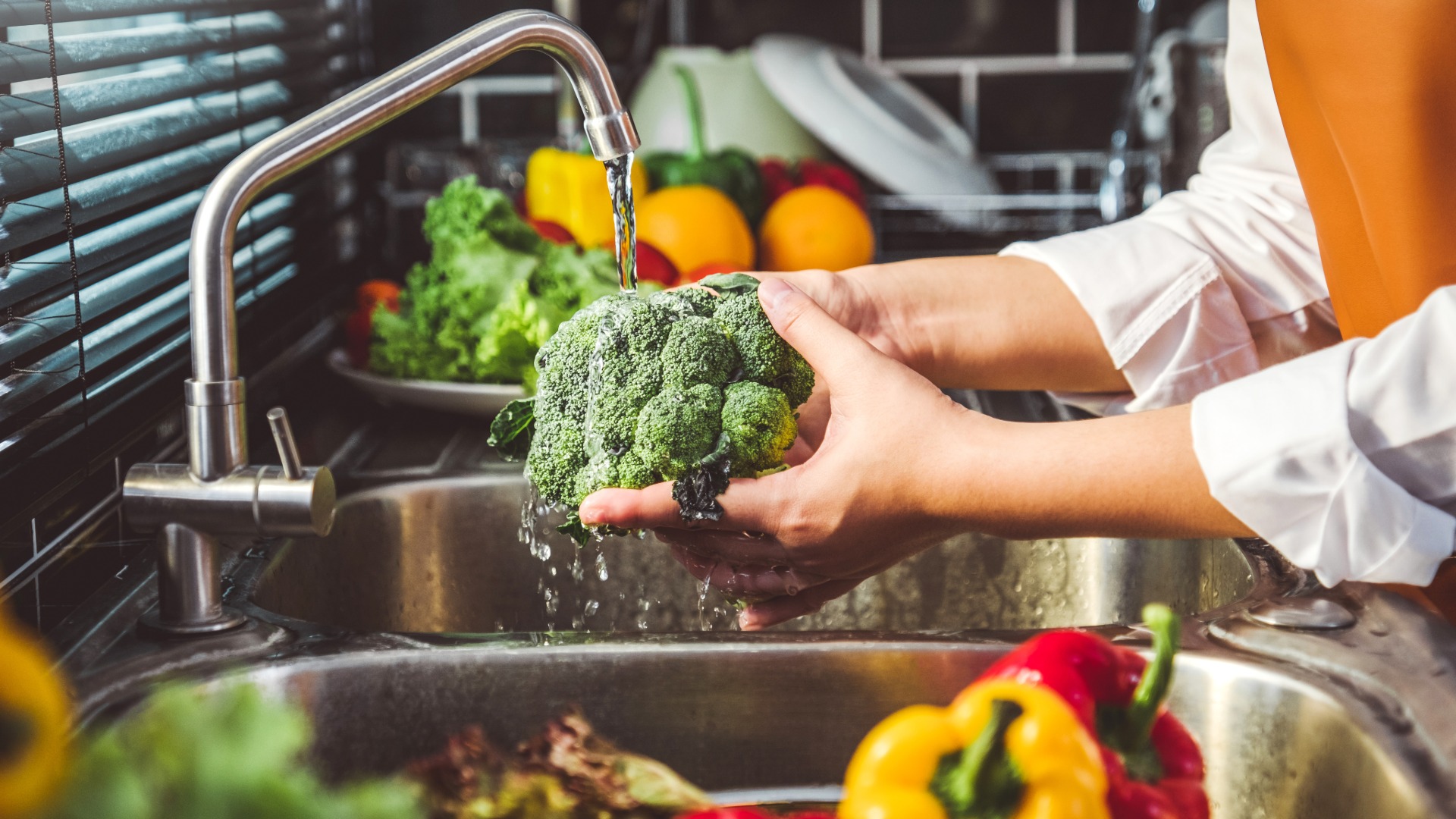
Blanching means briefly boiling vegetables, then immediately stopping the cooking with an ice water bath, called shocking. This controlled, partial cooking sets bright color through a chemical reaction with chlorophyll, softens texture just slightly without cooking all the way through, and kills surface bacteria, useful both for food safety and as prep work before freezing or a second cooking method like sautéing.
Blanching Vegetables: The Correct Salt Ratio
Bring a large pot of water to a full, rolling boil, salted generously, roughly a quarter cup of salt per gallon of water, salty enough to season the vegetables themselves during the brief cooking time, not just to flavor the water. Under-salting is a common mistake that leaves blanched vegetables tasting flat even after a proper cook and shock.
Blanching Vegetables: Timing by Type
Blanching times run from as little as fifteen to thirty seconds for tender greens up to three or four minutes for denser vegetables like broccoli or cauliflower, timed from the moment the water returns to a full boil after the vegetables go in, not from when they were first added. Cutting vegetables into uniform pieces beforehand matters enormously here, since inconsistent sizes blanch at different rates within the same batch, leaving some pieces perfectly done while others are either underdone or overcooked by the time you pull everything out together.
The Ice Bath Step Is Not Optional
Shocking in ice water immediately after boiling stops the cooking process cold, literally, preventing carryover heat from continuing to soften the vegetables past the crisp-tender point achieved during blanching. Skipping this step, or using water that is not cold enough, is one of the most common reasons home-blanched vegetables turn out duller and softer than intended, since residual heat keeps cooking the vegetables for several more minutes without the shock to stop it.
Draining and Drying Matter More Than Expected
Vegetables left wet after the ice bath dilute any sauce or dressing they are added to, and if headed for the freezer, excess surface water contributes directly to freezer burn and ice crystal formation. Draining thoroughly and patting dry with a clean towel before storing or using blanched vegetables is a small step that meaningfully improves the final result either way.
Which Vegetables Skip Blanching Entirely
Not every vegetable needs this treatment; onions, peppers, and tomatoes, unless blanching specifically to loosen the skin for peeling, generally do not require it before freezing or further cooking. Knowing which vegetables genuinely benefit from blanching, and which do not, saves time and avoids unnecessarily softening a vegetable that was better left raw or minimally cooked for a given dish.
Preparing Other Proteins the Same Careful Way
The same principle behind blanching, brief, controlled cooking followed by a deliberate stopping point, shows up in other techniques too; properly how to debone a chicken thigh before cooking benefits from the same kind of careful, deliberate prep work rather than rushing through it.
Making It Part of a Regular Routine
Blanching a large batch of vegetables at once, then storing portions for the week, is a genuinely efficient way to build a habit of eating more vegetables without extra daily effort; this pairs naturally with a broader approach to ceramic cookware pros and cons considerations when choosing the pot you use most often for this exact task, since a pot's material and heat retention affect how quickly and evenly the water returns to a boil after vegetables go in. And once blanched vegetables are ready to eat, they slot naturally into a broader eating pattern too; the kind of steady, plant-forward eating behind intermittent fasting meals benefits directly from having quick, ready-to-use blanched vegetables on hand for whenever an eating window opens.
Blanching vegetables is a genuinely simple technique once the core sequence, boil briefly, shock immediately, drain and dry thoroughly, becomes routine. The payoff, brighter color, better texture, and genuine time savings later in the week, is well worth the few extra minutes it takes.

Wayan Gurtphaboo is Sugar Press’s Kitchen Equipment and Culinary Science Specialist. He compares cookware, knives, and small appliances on durability and materials science, stainless versus ceramic, santoku versus chef’s knife, so readers can buy once and buy right.