Buying pre-peeled shrimp is convenient, but it also costs more and limits your options at the seafood counter. How to peel and devein shrimp is a genuinely quick skill once practiced a few times, and it opens up buying shrimp in whatever form is freshest and least expensive.
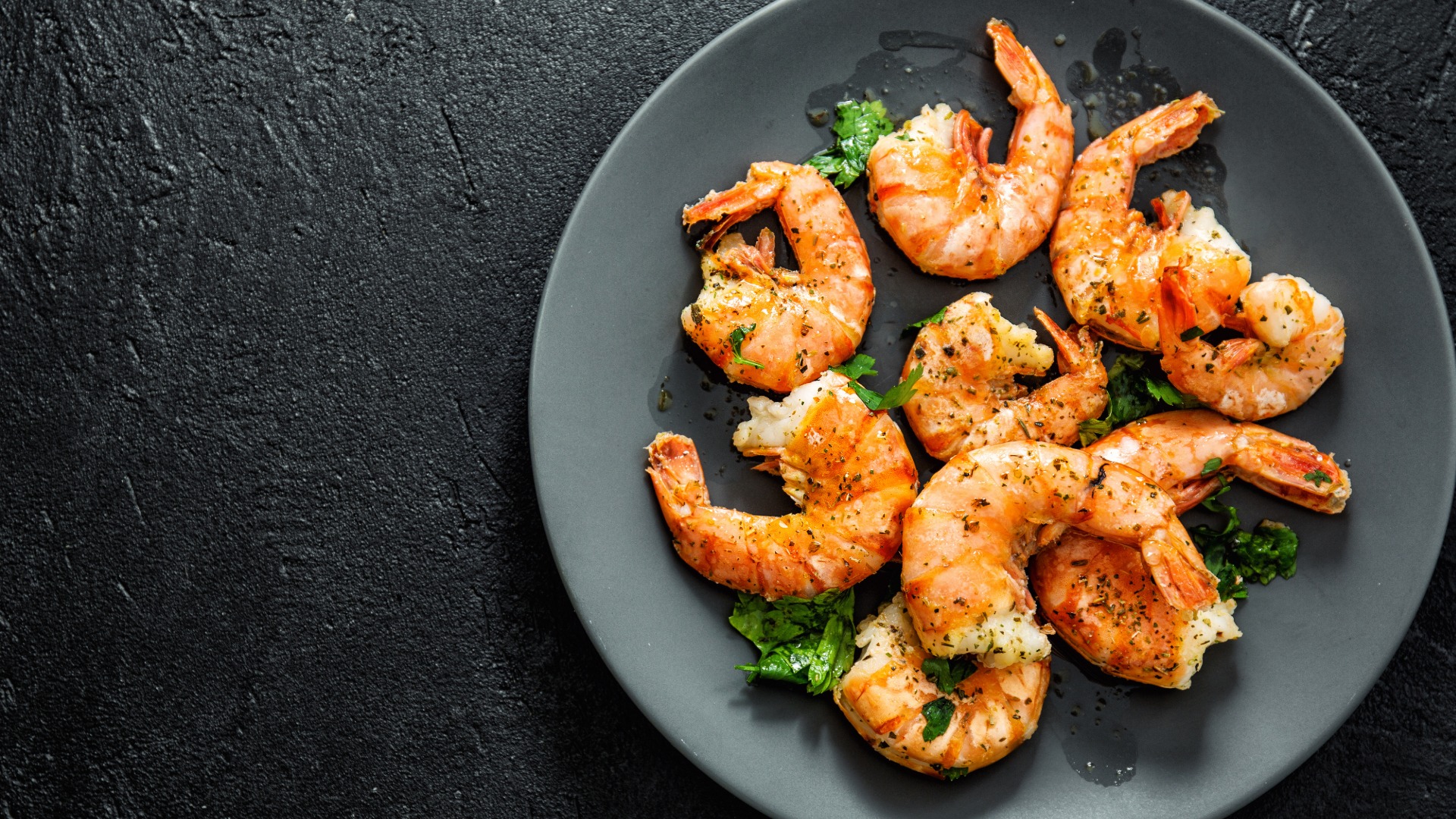
The dark line running along a shrimp's back is not technically a vein, it is the digestive tract, and while it is not unsafe to eat, removing it improves both appearance and, for larger shrimp especially, texture and taste, since it can carry a slightly gritty quality. Smaller shrimp often have a vein thin and light enough that many cooks skip deveining entirely, while larger shrimp benefit more noticeably from the extra step.
How to Peel and Devein Shrimp: Peeling Step by Step
Starting from the legs on the underside, pull the shell open and peel it away in one motion, working from the head end toward the tail. The tail segment can either come off with the rest of the shell or be left attached, depending on the recipe, leaving the tail on is common for presentation in dishes like shrimp cocktail, while fully peeled is more practical for stir-fries and pasta where the shell would just be in the way.
How to Peel and Devein Shrimp Without Special Tools
Using a small paring knife, make a shallow cut along the curved outer back of the shrimp, just deep enough to expose the dark vein without cutting deeply into the flesh. Lift the vein out with the tip of the knife or your fingers, then rinse briefly under cold water to remove any remaining trace. A dedicated deveining tool exists and works well too, but a basic paring knife handles the job perfectly fine for most home cooks.
The Shell-On Deveining Shortcut
For shrimp you plan to cook with the shell still on, a thin skewer or toothpick inserted at the point where the vein is most visible, then gently pulled outward, often removes the vein cleanly without removing the shell at all. This is a useful technique specifically for grilling or roasting preparations where keeping the shell on protects the meat and adds flavor during cooking.
Buying Shrimp That Makes This Easier
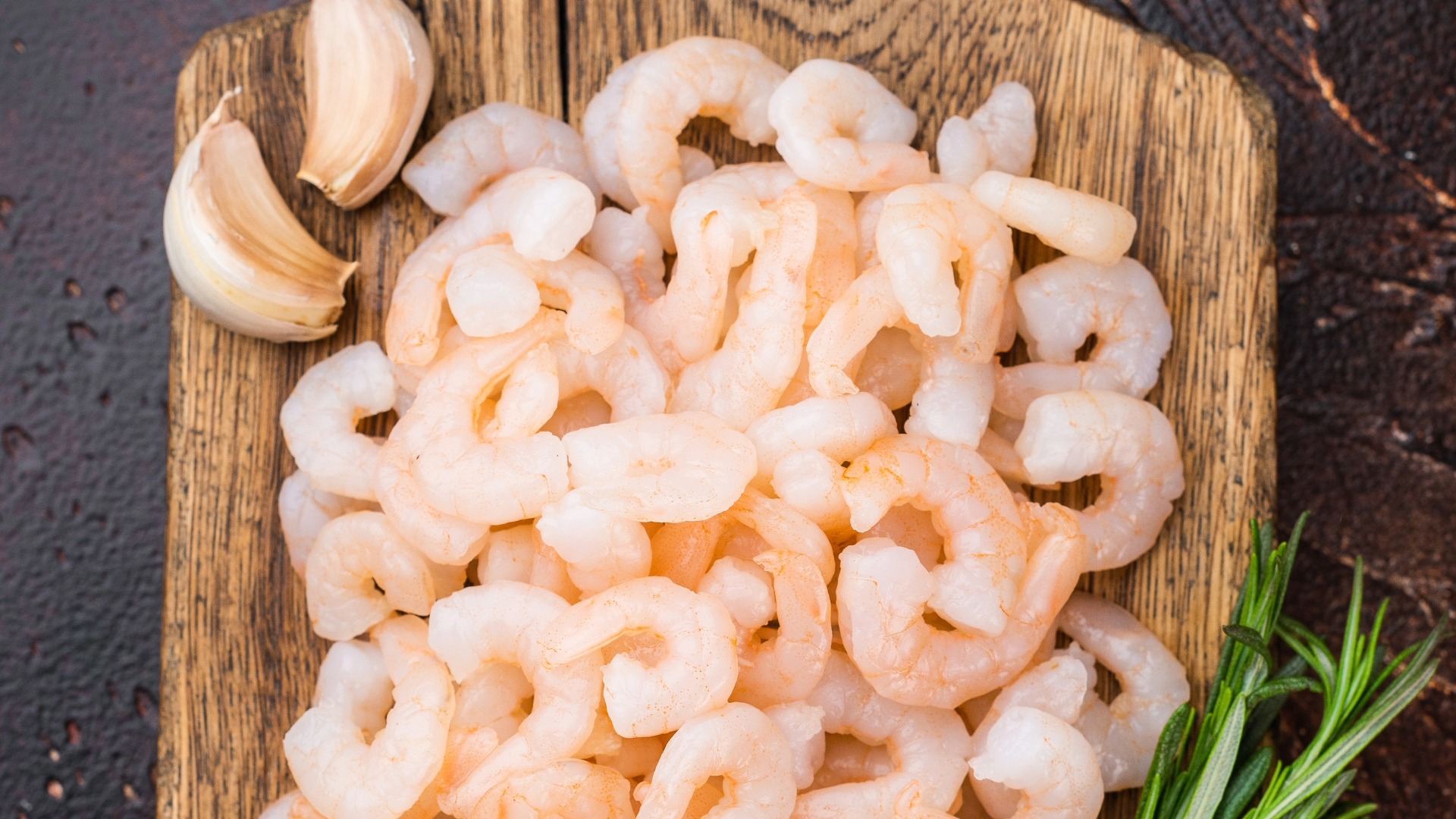
Shrimp are commonly sold by count per pound, and larger shrimp, lower numbers per pound, are meaningfully easier to peel and devein cleanly than very small shrimp, where the process becomes fiddly and time-consuming for relatively little payoff. For a first attempt at this technique, starting with a medium to large shrimp size builds confidence before tackling smaller sizes where speed and precision matter more.
Working Quickly and Safely
Keeping shrimp cold throughout the process, working in small batches straight from the refrigerator rather than letting a full bag sit out at room temperature, matters both for food safety and for texture, since shrimp that warms up becomes noticeably softer and harder to peel cleanly. This same cold-and-quick discipline applies directly to preparing shrimp for high-heat cooking methods too; blanching vegetables alongside a batch of shrimp for a quick appetizer platter benefits from the same organized, keep-everything-cold approach.
What to Do With Freshly Peeled Shrimp
Once peeled and deveined, shrimp cook remarkably fast, and a hot, quick method suits them best; comparing santoku knife vs chef knife preferences matters here too, since a comfortable, well-balanced knife makes quick work of any final trimming or mincing that goes alongside the shrimp in a finished dish. And for a complete, protein-forward meal built around freshly prepped shrimp, a diet-conscious approach like paleo meal plan planning naturally leans on quick-cooking seafood like this as a reliable, satisfying centerpiece.
How to peel and devein shrimp comes down to a quick peel from the underside and a shallow cut to lift out the digestive tract, a skill that takes only a few tries to feel genuinely fast and confident. Once mastered, it opens up buying shrimp in whatever form and size makes the most sense for a given recipe or budget.

Benjamin Floxtriswa is Sugar Press’s Meal Planning and Weeknight Strategy Editor. He covers batch cooking, weekly menus, and smart grocery decisions, turning meal planning into a fast, practical system instead of a chore.