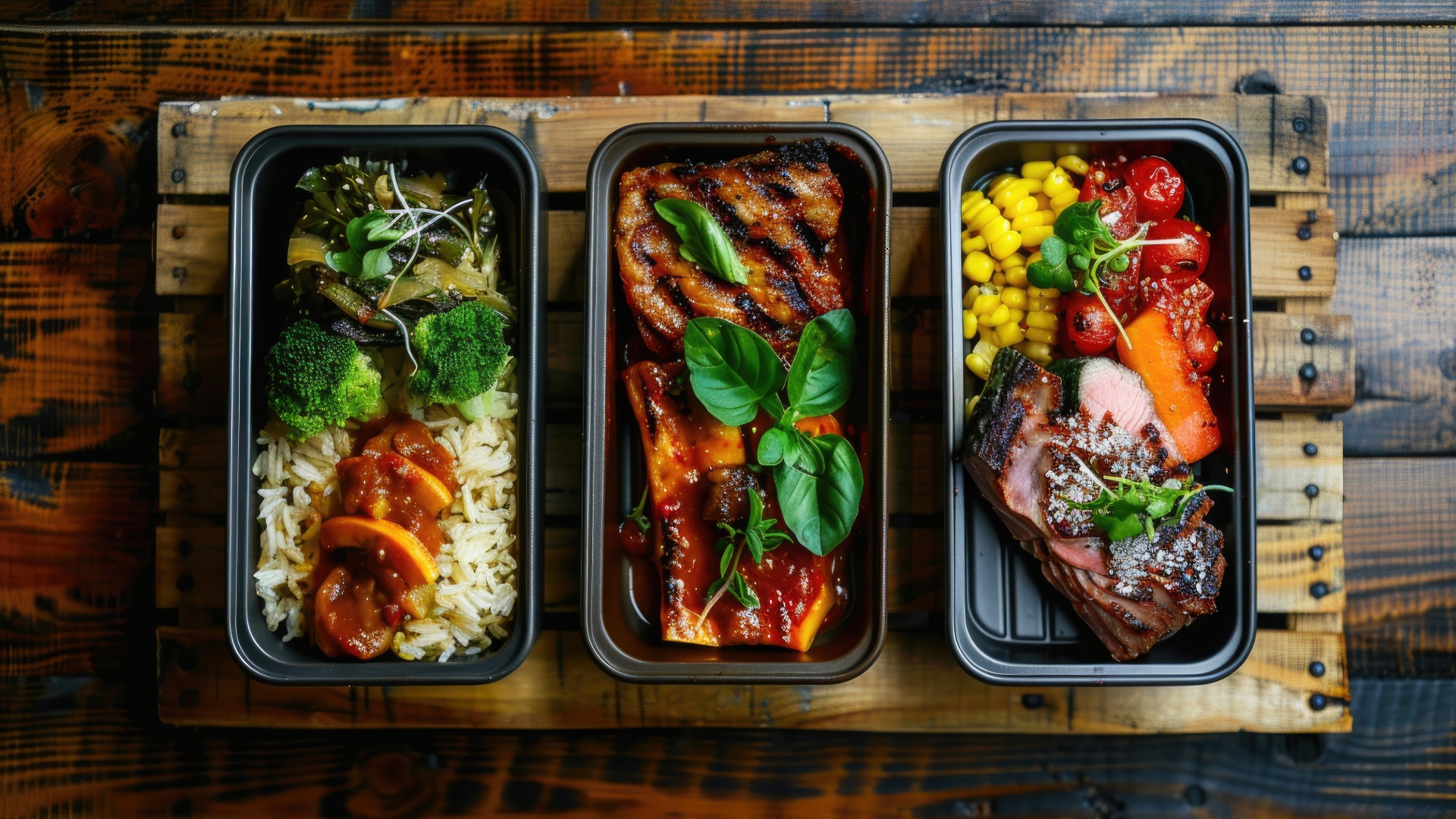
The Mongolian beef found at most Chinese-American restaurants is not actually a traditional Mongolian dish at all, it is a Chinese-American creation built around a specific, learnable technique, and understanding that technique is what separates a genuinely good homemade Mongolian beef recipe from a disappointing imitation.
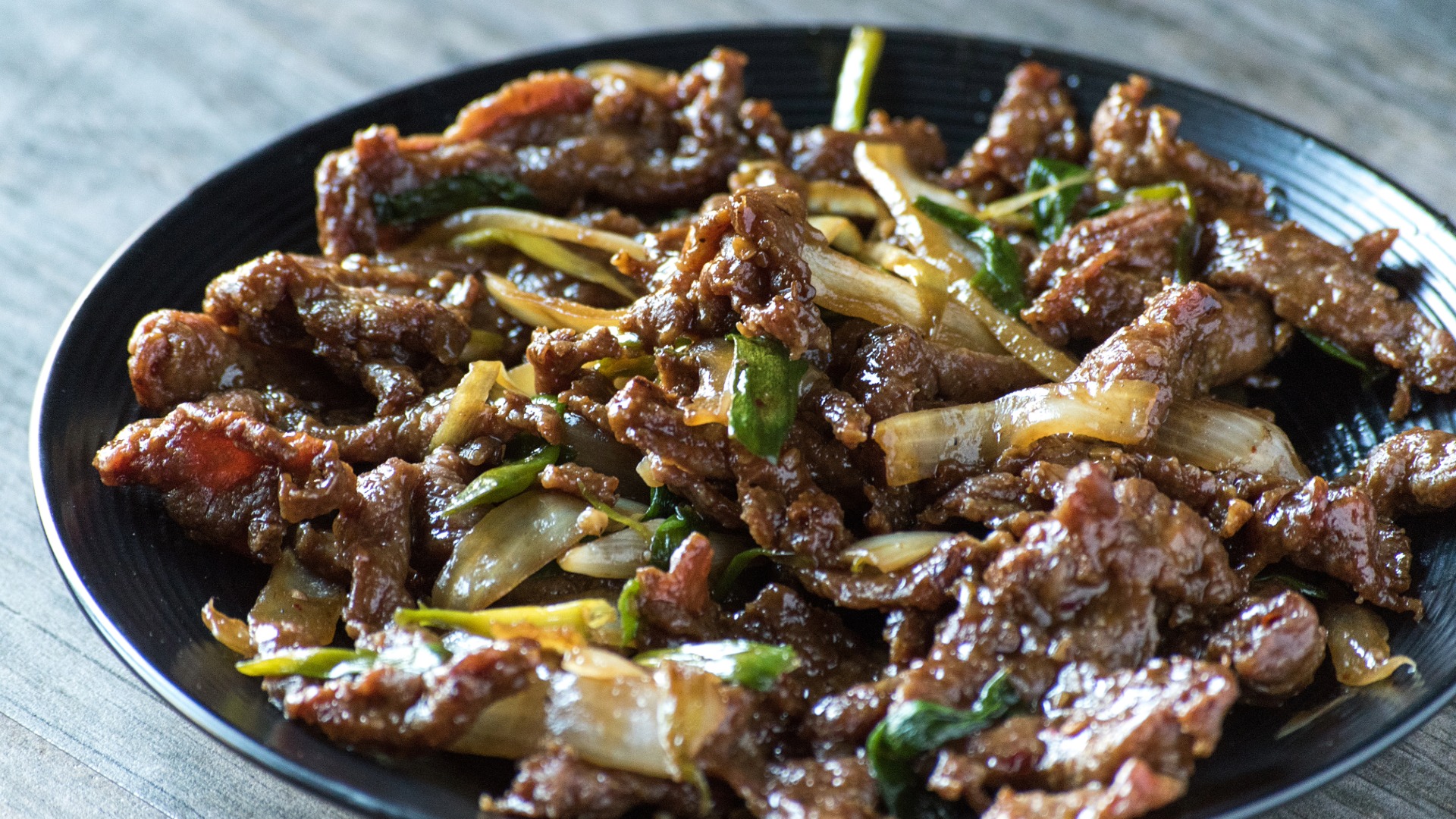
Restaurant-style Mongolian beef relies on velveting, a technique where thinly sliced beef is coated in a light mixture of cornstarch, and often a small amount of egg white or baking soda, then briefly marinated before a very quick, hot cook. This coating protects the meat's surface during high-heat cooking, locking in moisture and producing a noticeably more tender result than the same cut cooked without this preparatory step.
Choosing and Slicing the Right Cut
Flank steak or skirt steak, both relatively lean cuts with visible muscle grain, work best for this dish, sliced thinly against the grain, which shortens the muscle fibers and produces a far more tender bite than slicing with the grain would. Partially freezing the beef for twenty to thirty minutes before slicing makes achieving thin, even slices considerably easier, since firmer meat holds its shape better under the knife than fully thawed beef.
Mongolian Beef Recipe: Building the Sauce
The signature sauce balances soy sauce, brown sugar, garlic, and ginger into a sauce that turns glossy and clings to the beef as it reduces briefly in the pan. Cooking the aromatics briefly before adding the liquid ingredients builds real depth quickly, since raw garlic and ginger added directly to a thin sauce never develop the same rounded flavor that a brief sauté produces first.
The High-Heat, Quick-Cook Technique
This dish depends on genuinely high heat and a quick cooking time, the beef seared hard in batches to avoid overcrowding the pan, which would trap steam and prevent the same browning a proper stir-fry technique depends on. Once the beef is seared and set aside, the sauce reduces quickly in the same pan, and the beef returns just long enough to coat evenly in the glossy, thickened sauce before serving immediately.
Common Mistakes That Undermine the Dish
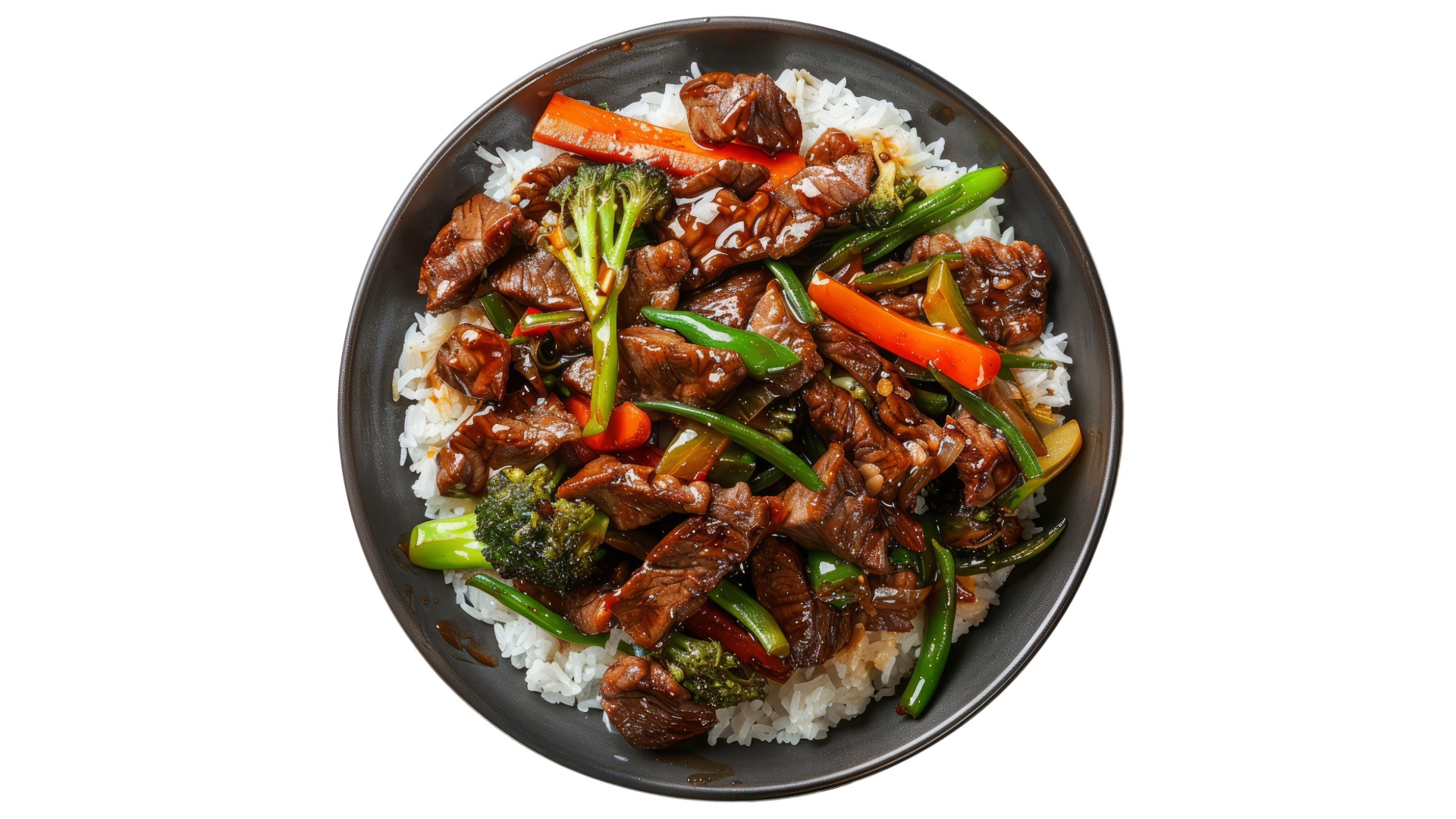
Skipping the velveting step produces noticeably tougher beef, since the cornstarch coating is doing real protective work, not just adding a cosmetic touch. Overcrowding the pan during the sear is the second most common mistake, producing gray, steamed beef instead of the deeply browned, flavorful crust the dish depends on for real depth.
Building the Rest of the Meal
A rich, well-executed Mongolian beef recipe pairs naturally with a bright, cooling side to balance its bold, savory sauce; a creamy cucumber salad recipe offers exactly that contrast without requiring extra stovetop space while the beef is actively cooking. The same low, patient cooking philosophy behind a technique like braising shares a surprising amount in common with this dish's sauce-reduction step, both relying on time and heat control to transform a thin liquid into something rich and clinging.
Prepping Efficiently for a Quick Weeknight Version
Having everything measured, sliced, and staged before the pan ever heats up matters enormously for a dish that moves this fast once cooking actually starts; a solid set of mixing bowls for organizing the sliced beef, sauce ingredients, and aromatics separately keeps the whole process smooth rather than a last-minute scramble once the pan is already screaming hot.
A genuinely good Mongolian beef recipe comes down to velveting the beef properly, slicing thin against the grain, and committing to real high heat with an uncrowded pan. Master those three fundamentals and the dish comes together in under twenty minutes, rivaling or beating the takeout version it was originally inspired by.

Benjamin Floxtriswa is Sugar Press’s Meal Planning and Weeknight Strategy Editor. He covers batch cooking, weekly menus, and smart grocery decisions, turning meal planning into a fast, practical system instead of a chore.