A cucumber tomato salad sounds nearly foolproof, yet the same salad made two different ways can turn out crisp and vibrant or watery and bland depending on a handful of small, easy-to-overlook steps.
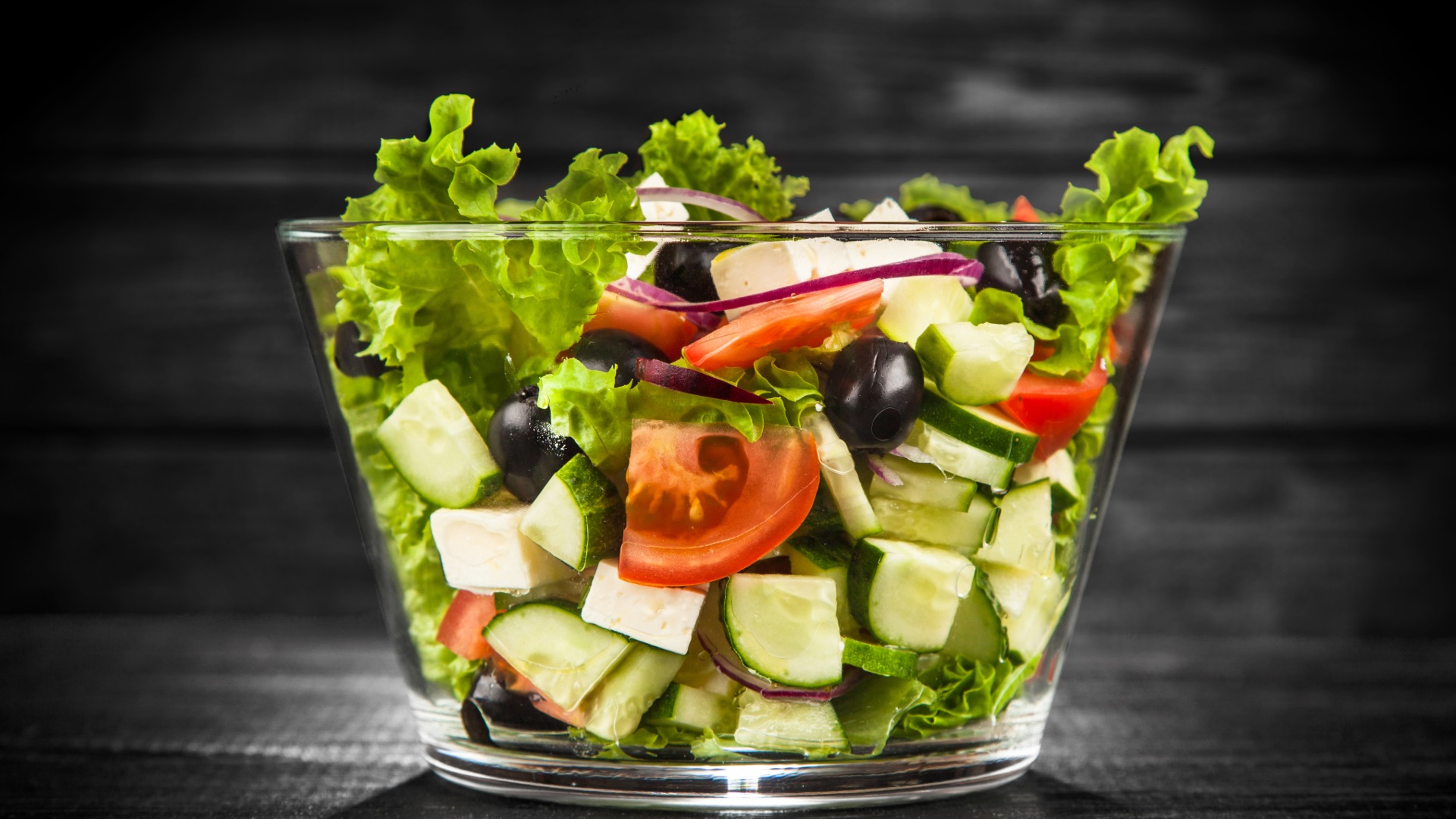
Cucumbers hold a surprising amount of water, and salting sliced cucumbers lightly, then letting them sit in a colander for fifteen to twenty minutes before rinsing and patting dry, draws out excess moisture that would otherwise water down the finished salad and dilute the dressing. This single step is the difference between a salad that stays crisp for hours and one that turns soupy within thirty minutes of being dressed.
Cucumber Tomato Salad: Choosing Tomatoes That Hold Up
Firmer tomato varieties, Roma or on-the-vine tomatoes especially, hold their shape and texture in a salad far better than very soft, juicy varieties, which tend to break down and release excess liquid once cut and combined with other ingredients. Removing the seeds and excess pulp from very juicy tomatoes before adding them to the salad reduces this same watering-down effect considerably.
Building a Dressing That Actually Clings
A simple vinaigrette, good olive oil, an acid like red wine vinegar or fresh lemon juice, and a touch of salt, coats vegetables far more effectively than a heavier, creamier dressing, which tends to slide off crisp, moisture-heavy vegetables like cucumber rather than genuinely coating them. Whisking the dressing separately and tossing it with the salad just before serving, rather than dressing far in advance, keeps everything crisp rather than sitting in accumulated liquid.
Timing the Salt and the Dressing
Salting the finished salad and adding the dressing too far ahead of serving draws out even more moisture from the vegetables after they have already been combined, undoing some of the earlier work spent salting the cucumbers separately. Dressing and finishing with salt within thirty minutes or so of serving preserves the crisp texture the earlier steps worked to establish.
Adding Herbs and Aromatics Thoughtfully
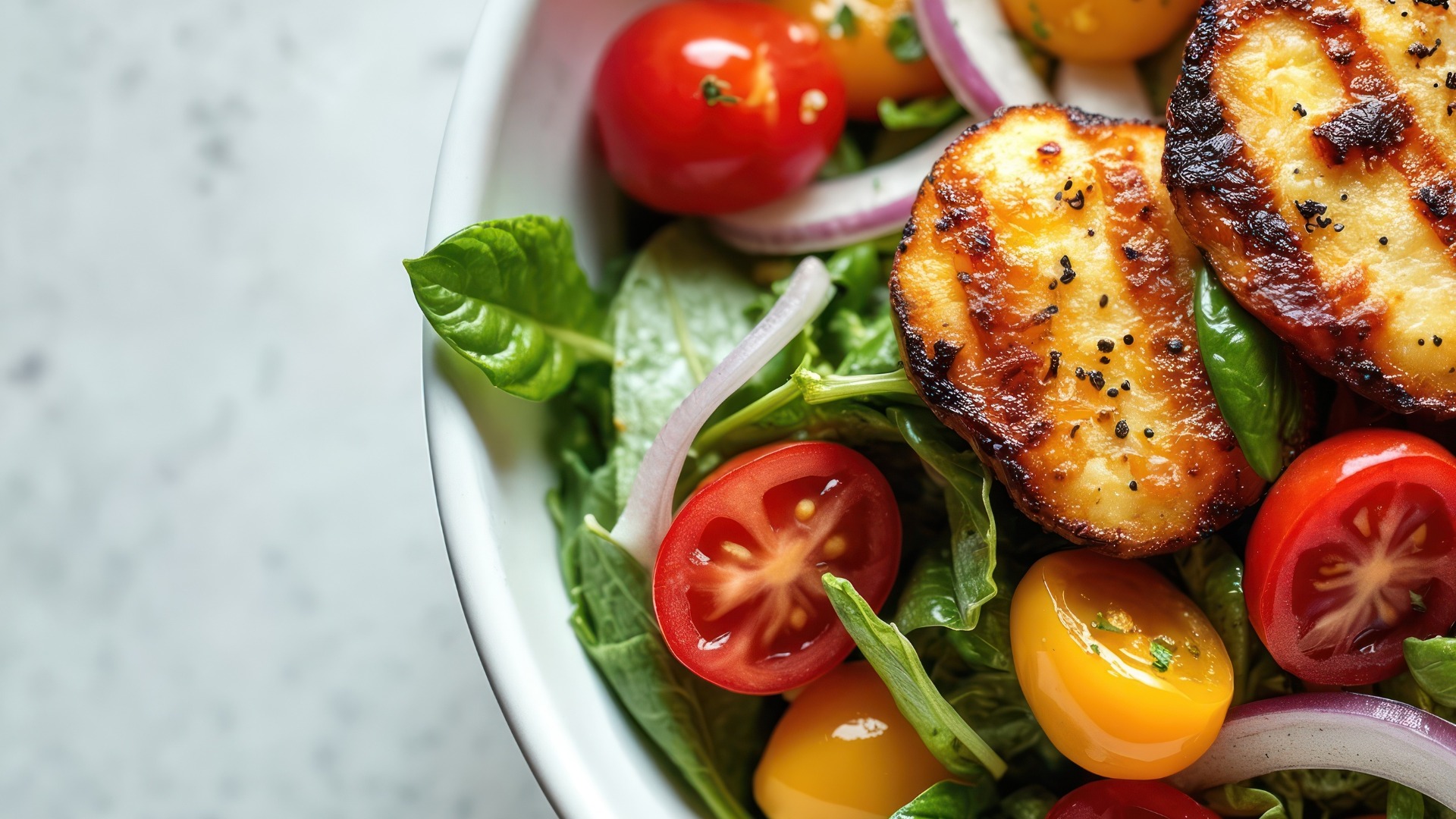
Fresh herbs, mint, dill, or basil depending on the flavor direction, added just before serving rather than mixed in early, stay bright and aromatic rather than wilting and darkening from prolonged contact with the acidic dressing. A small amount of thinly sliced red onion, briefly soaked in cold water to mellow its sharpness, adds real depth without overwhelming the cucumber and tomato's own clean, fresh flavor.
A Natural Pairing for Bold, Rich Mains
This salad's bright, acidic character makes it a natural counterpoint to something richer and more intensely flavored; a dish like Mongolian beef recipe benefits directly from a crisp, cooling side alongside its bold, savory sauce, the same contrast that makes a good cucumber tomato salad such a versatile pairing partner across many different main dishes.
Building It Into a Regular Rotation
Once the core technique, salt and drain the cucumbers, choose firm tomatoes, dress just before serving, becomes second nature, this salad turns into one of the fastest, most reliable sides in a regular rotation. A quick drizzle of something extra special finishes it off well too; a safely made batch of how to make herb infused olive oil adds a real depth of flavor to the finished salad that a plain, unflavored oil cannot quite match. And for anyone stocking a kitchen station efficiently, having kitchen shears on hand for quickly snipping fresh herbs directly over the finished salad saves a cutting board and a knife for a task that genuinely does not need either.
Cucumber tomato salad rewards a small amount of upfront technique, salting and draining the cucumbers especially, that most casual versions skip entirely. That handful of extra minutes is exactly what separates a salad that stays genuinely crisp and vibrant from one that turns watery and forgettable.

Wayan Gurtphaboo is Sugar Press’s Kitchen Equipment and Culinary Science Specialist. He compares cookware, knives, and small appliances on durability and materials science, stainless versus ceramic, santoku versus chef’s knife, so readers can buy once and buy right.