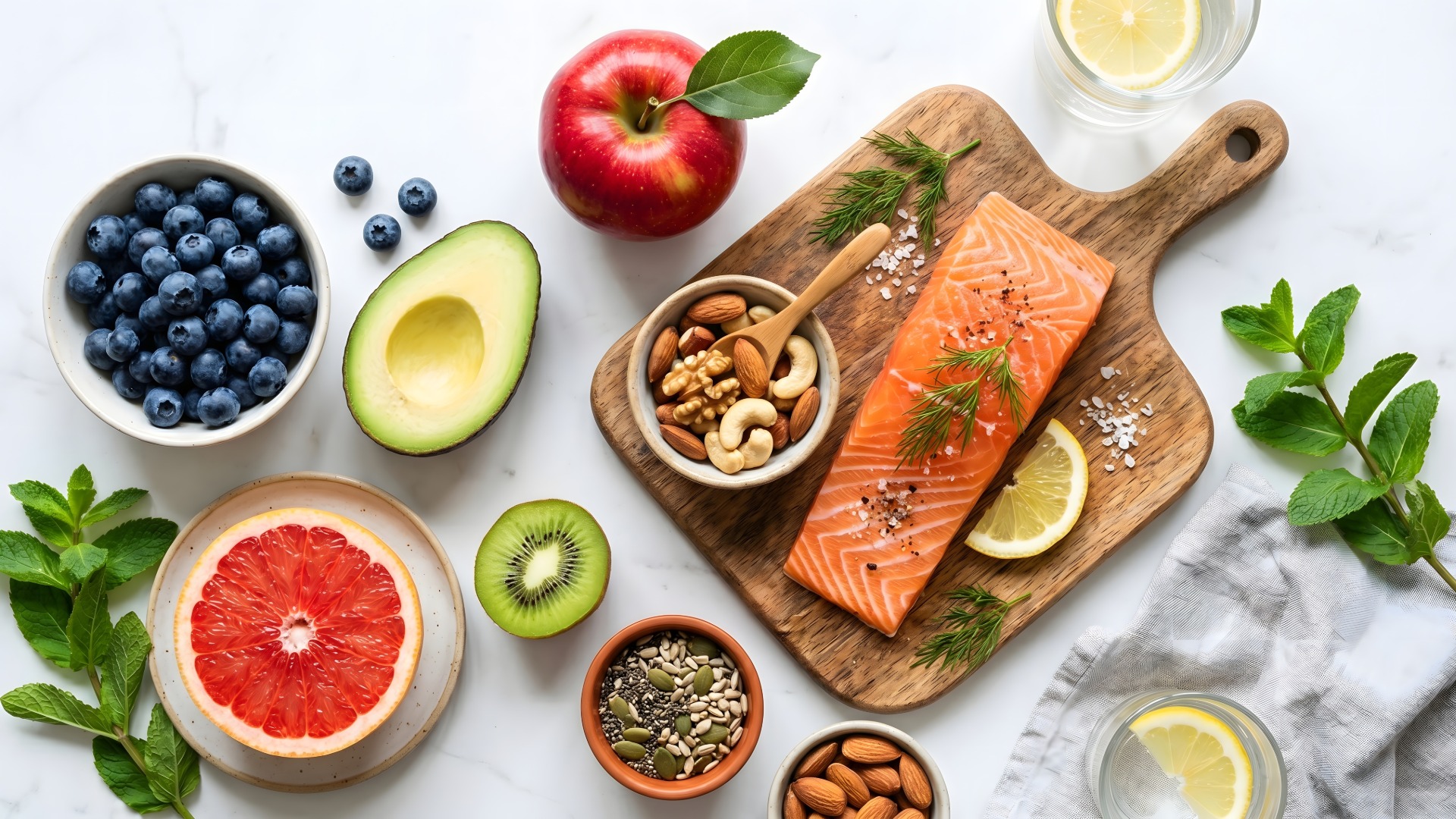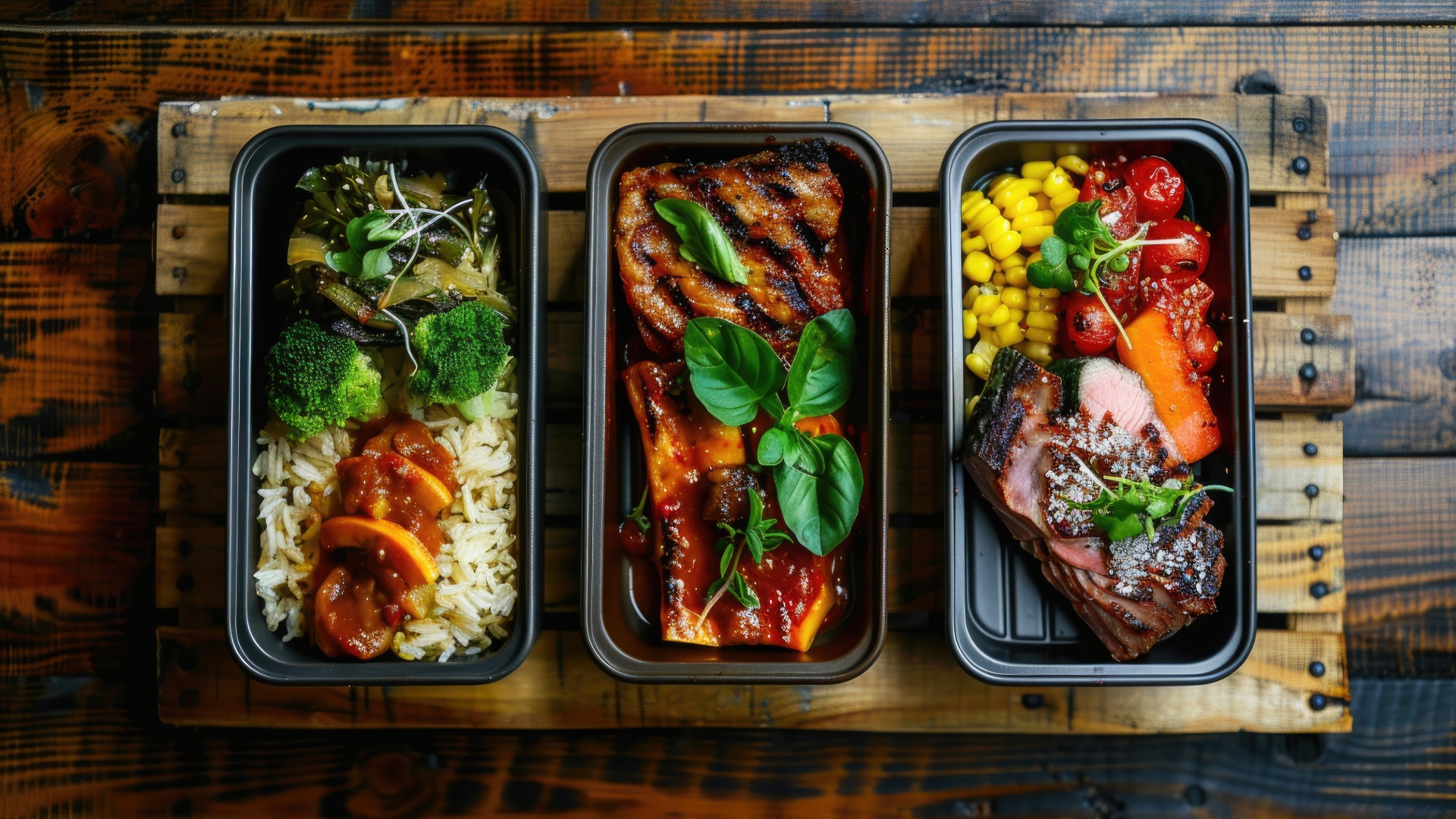
Intermittent fasting reorganizes when eating happens rather than strictly what gets eaten, which means intermittent fasting meals carry a different kind of planning pressure, fitting genuine nutrition into a shorter window rather than spreading it across a full day. This is general educational information about how the approach works, not personalized medical advice; intermittent fasting is not appropriate for everyone, and a healthcare provider should be consulted before starting, particularly for anyone pregnant or with a history of disordered eating, for whom this approach is specifically not advisable.
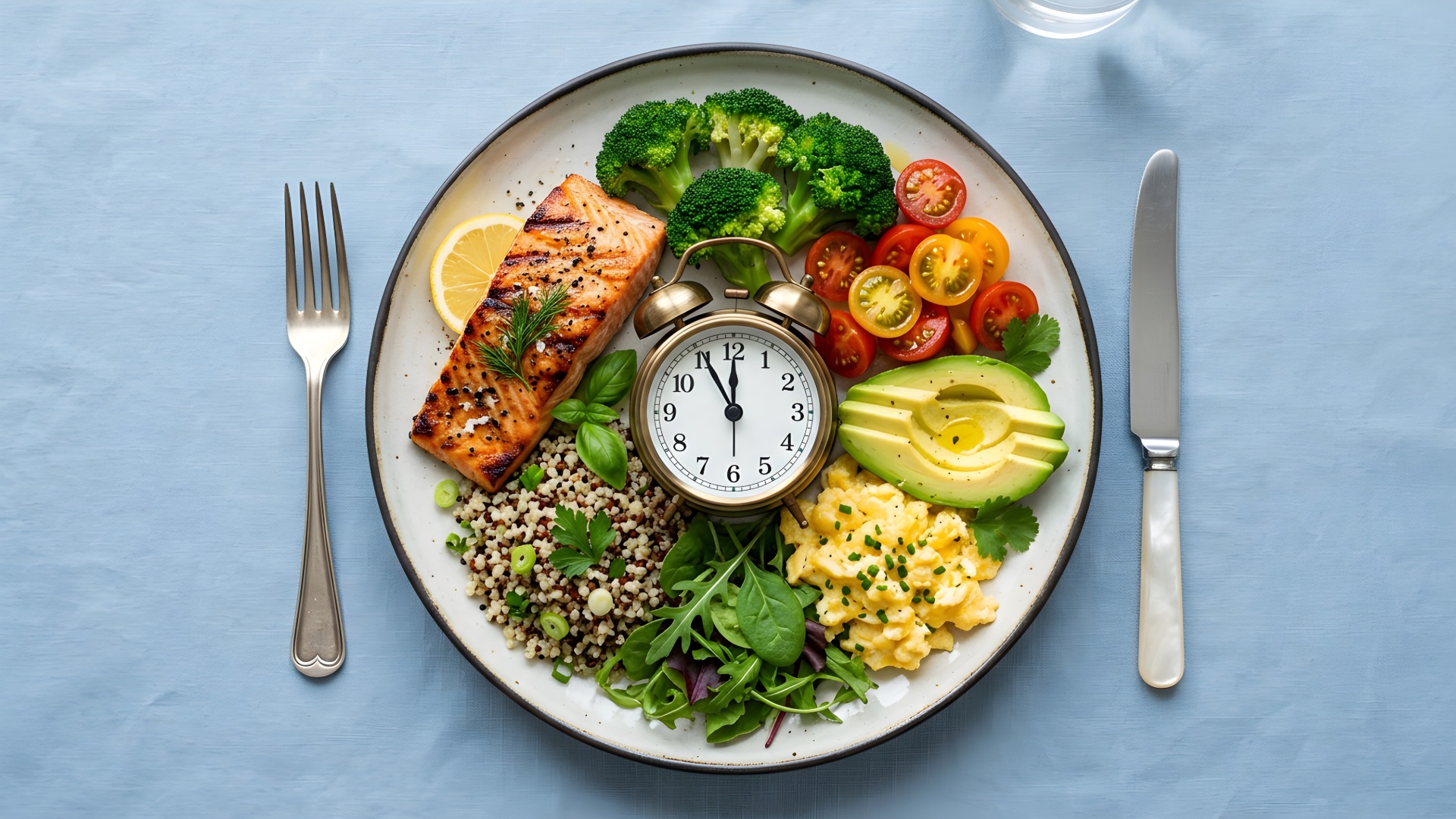
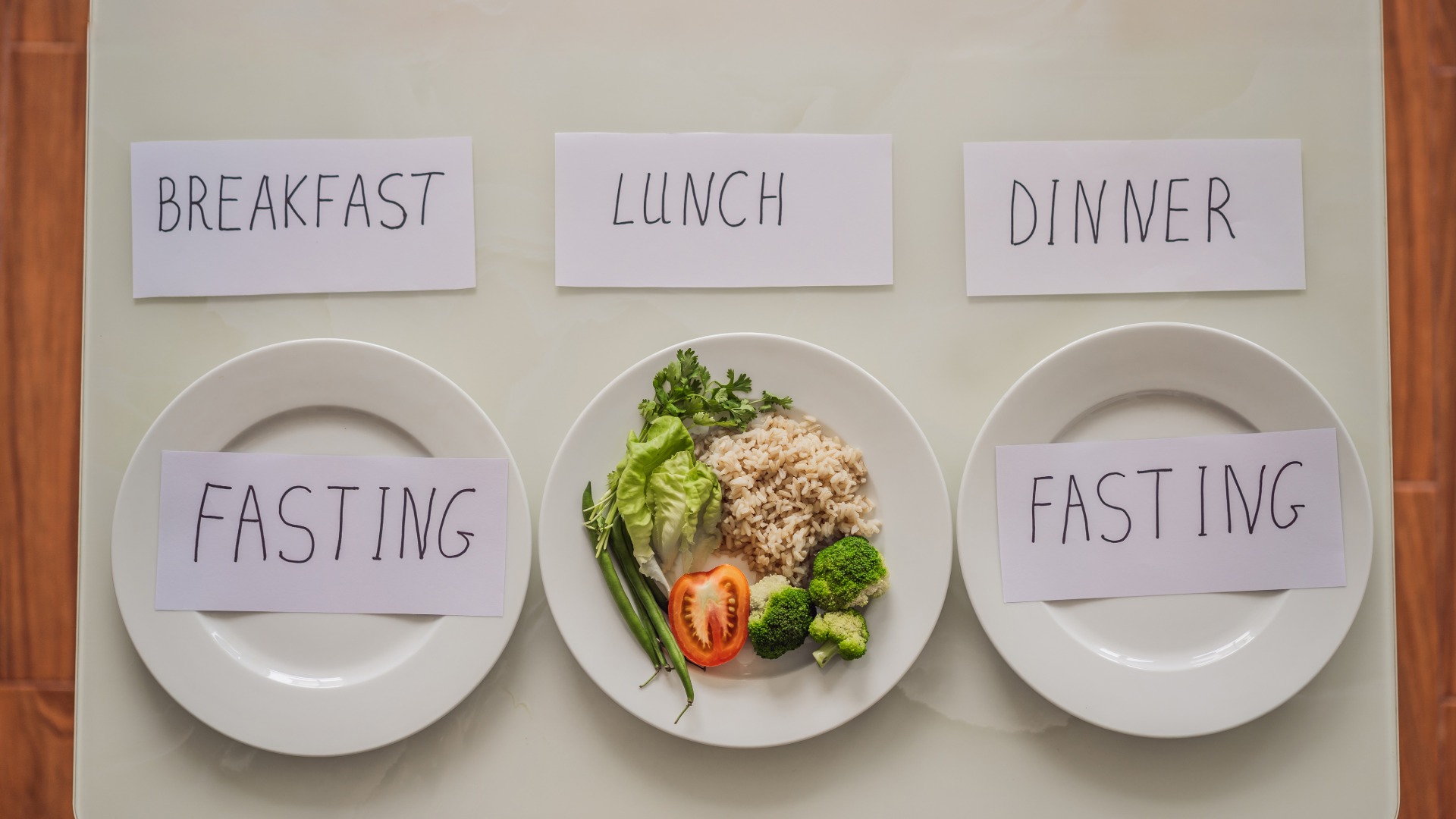
The 16:8 method, sixteen hours of fasting followed by an eight-hour eating window, is among the most commonly discussed approaches, typically achieved by simply skipping breakfast and eating only between, for example, noon and 8 p.m. A separate approach involves significantly restricting calorie intake, roughly 500 to 600 calories, on two selected days per week while eating normally the other five. Both protocols represent genuinely different structures, and understanding which specific protocol a source is discussing matters before drawing any conclusions about it.
Why What You Eat Still Matters Enormously
Fasting protocols do not override basic nutrition principles; intermittent fasting meals still need to deliver genuine protein, fiber, and micronutrients within a shorter window, and filling that window with low-quality, highly processed food undermines much of the pattern's potential benefit. If anything, the shorter eating window makes food quality more important, not less, since there is less total time to make up for a poorly chosen meal.
Building a Satisfying Eating Window
Front-loading the eating window with protein and fiber, rather than starting with something light and simple, helps manage hunger and energy levels through the remaining hours of the day, both fasting and awake. A substantial first meal built around real protein, vegetables, and a healthy fat source tends to hold hunger at bay far more effectively than a smaller, carbohydrate-heavy meal would.
What the Research Actually Shows, With Real Caveats
Research has found intermittent fasting can produce weight and metabolic outcomes broadly comparable to standard continuous calorie restriction, with some evidence suggesting better long-term adherence for certain people since it does not require permanent restriction of any specific food, only timing. That said, real-world studies also report considerable attrition over longer study periods, and the amount of weight loss observed across study populations has generally been modest rather than dramatic, important context against more dramatic marketing claims.
Who Should Not Attempt This Approach
Beyond the pregnancy and eating disorder history exclusions already noted, anyone managing diabetes, on medication with specific timing or food requirements, or with any other significant health condition should discuss intermittent fasting with a healthcare provider before attempting it, since fasting protocols can meaningfully interact with medication timing and blood sugar management in ways that require professional guidance rather than general online information.
Preparing Intermittent Fasting Meals Efficiently
Since intermittent fasting meals need to accomplish more nutritionally in less total eating time, efficient prep matters considerably; the same organized, protein-forward planning behind low carb meal prep ideas translates directly to fasting-window meal planning, since both approaches benefit from having satisfying, nutrient-dense components ready rather than assembling something nutritionally thin under real time pressure.
Technique That Supports a Shorter Cooking Window Too
Quick, reliable cooking technique matters more when meals are concentrated into fewer hours of the day; solid blanching vegetables technique produces a fast, nutrient-dense side that fits easily into a compressed eating window without requiring extended cooking time competing for the same limited hours. And choosing cookware that suits fast, efficient cooking matters too; weighing ceramic cookware pros and cons is worth doing with this kind of quick, moderate-heat cooking specifically in mind, since ceramic performs particularly well for exactly this style of meal.
Intermittent fasting meals require real planning to pack genuine nutrition into a shorter window, and the approach itself is not appropriate for everyone. Anyone considering it should discuss the decision with a healthcare provider first, particularly given the specific exclusions around pregnancy and disordered eating history.

Wayan Gurtphaboo is Sugar Press’s Kitchen Equipment and Culinary Science Specialist. He compares cookware, knives, and small appliances on durability and materials science, stainless versus ceramic, santoku versus chef’s knife, so readers can buy once and buy right.