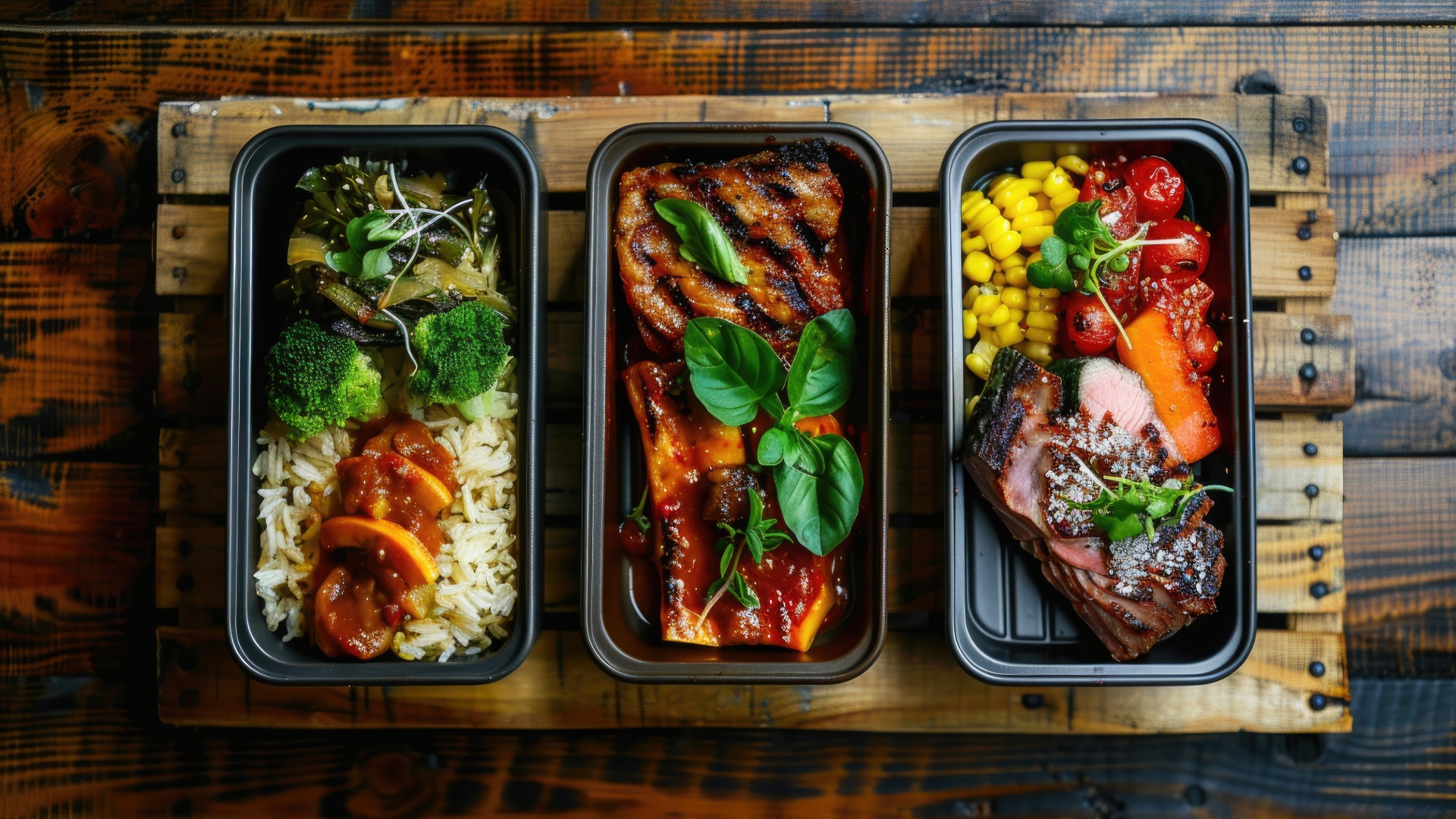
Low carb meal prep ideas have a real reputation problem, largely because so many default rotations settle into the same handful of proteins and vegetables, repeated week after week until the whole approach starts to feel like a chore rather than a sustainable way of eating.
Rotating between at least three or four different protein sources through a given week, chicken, ground beef, fish, and eggs, for instance, prevents the sameness that derails so many low carb meal prep routines. Preparing more protein than needed for a single week and freezing individual portions extends this variety further, since a freezer stocked with several different pre-cooked proteins makes assembling a genuinely varied week considerably easier than starting from scratch every single time.
Low Carb Meal Prep Ideas Beyond Default Broccoli
Roasted vegetables, cauliflower, zucchini, Brussels sprouts, bell peppers, all hold up well through several days of refrigeration and reheat cleanly, offering real variety beyond the reflexive broccoli-and-chicken combination that so many low carb routines default to. Preparing a large batch at the start of the week, rather than roasting everything, adds textural variety too, and even a low carb take on a classic side works here; a batch of oven-roasted steak fries made from a low carb vegetable substitute like turnip or rutabaga scratches the same textural itch without the carbohydrate load of the potato version.
Low Carb Meal Prep Ideas: Sauces as the Variety Engine
The single most effective lever for keeping a low carb rotation interesting is varying the sauce or seasoning profile applied to an otherwise similar base of protein and vegetables, rather than trying to cook something entirely different every day. A different low carb dressing, a different spice rub, or a different simple pan sauce transforms the same underlying components into something that tastes genuinely different meal to meal.
Fat as a Genuine Flavor and Satiety Tool
Since carbohydrates are limited in this approach, healthy fats play a larger role in both flavor and satisfaction, and a generous finish of good olive oil over roasted vegetables, or a rich, low carb soup base, adds real richness that keeps meals satisfying despite the reduced carbohydrate content most other approaches would rely on for that same sense of fullness.
Snacks and Smaller Components Worth Prepping Too
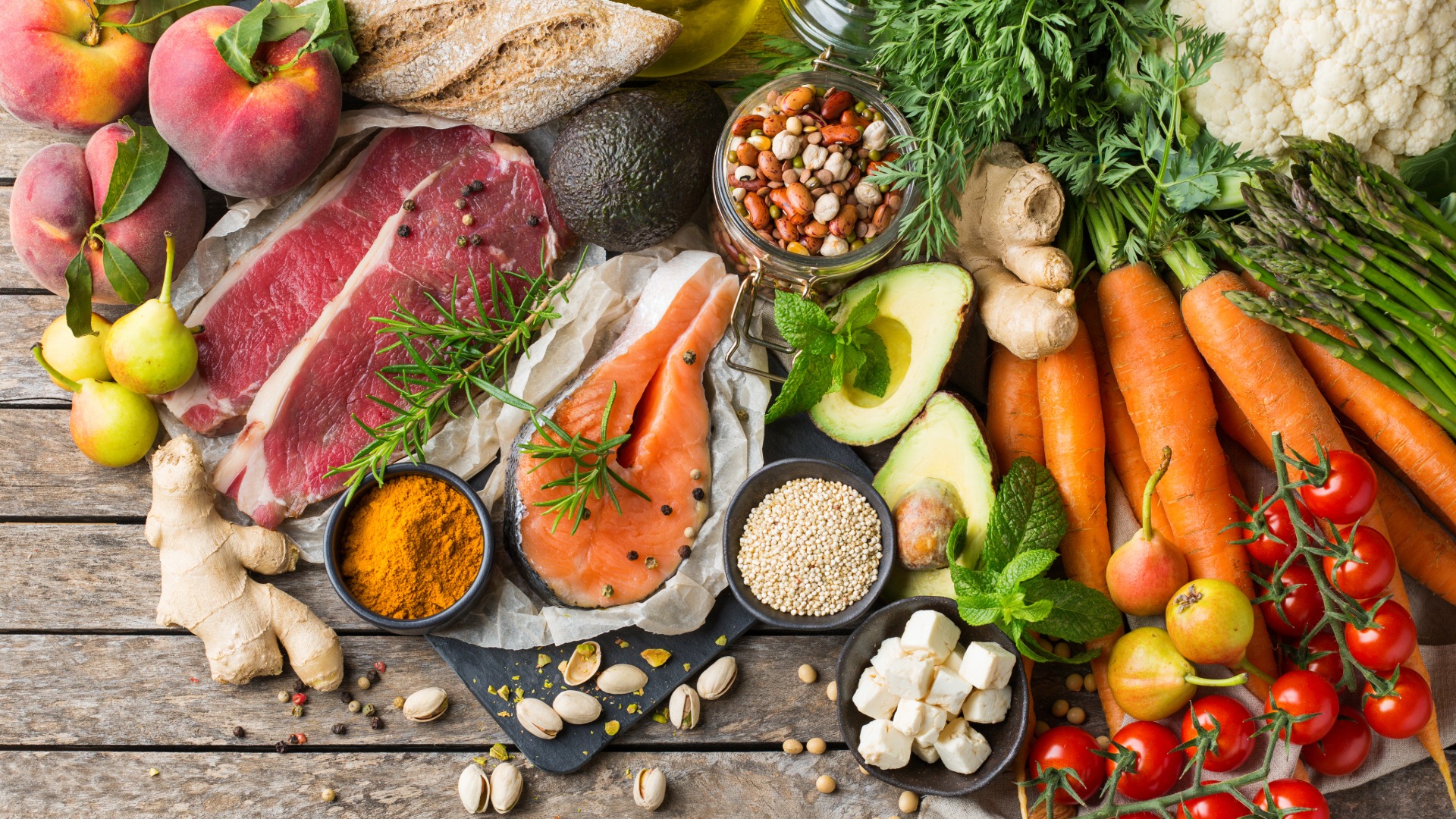
Hard-boiled eggs, cut vegetables with a low carb dip, and portioned nuts or cheese all prep well in advance and fill the gaps between full meals, preventing the kind of hunger that often derails a low carb approach mid-afternoon when only high-carb options are conveniently available. Prepping these smaller components alongside the main meals, rather than treating them as an afterthought, matters for genuinely sustainable adherence.
Cuts of Meat That Reward Slower, Patient Cooking
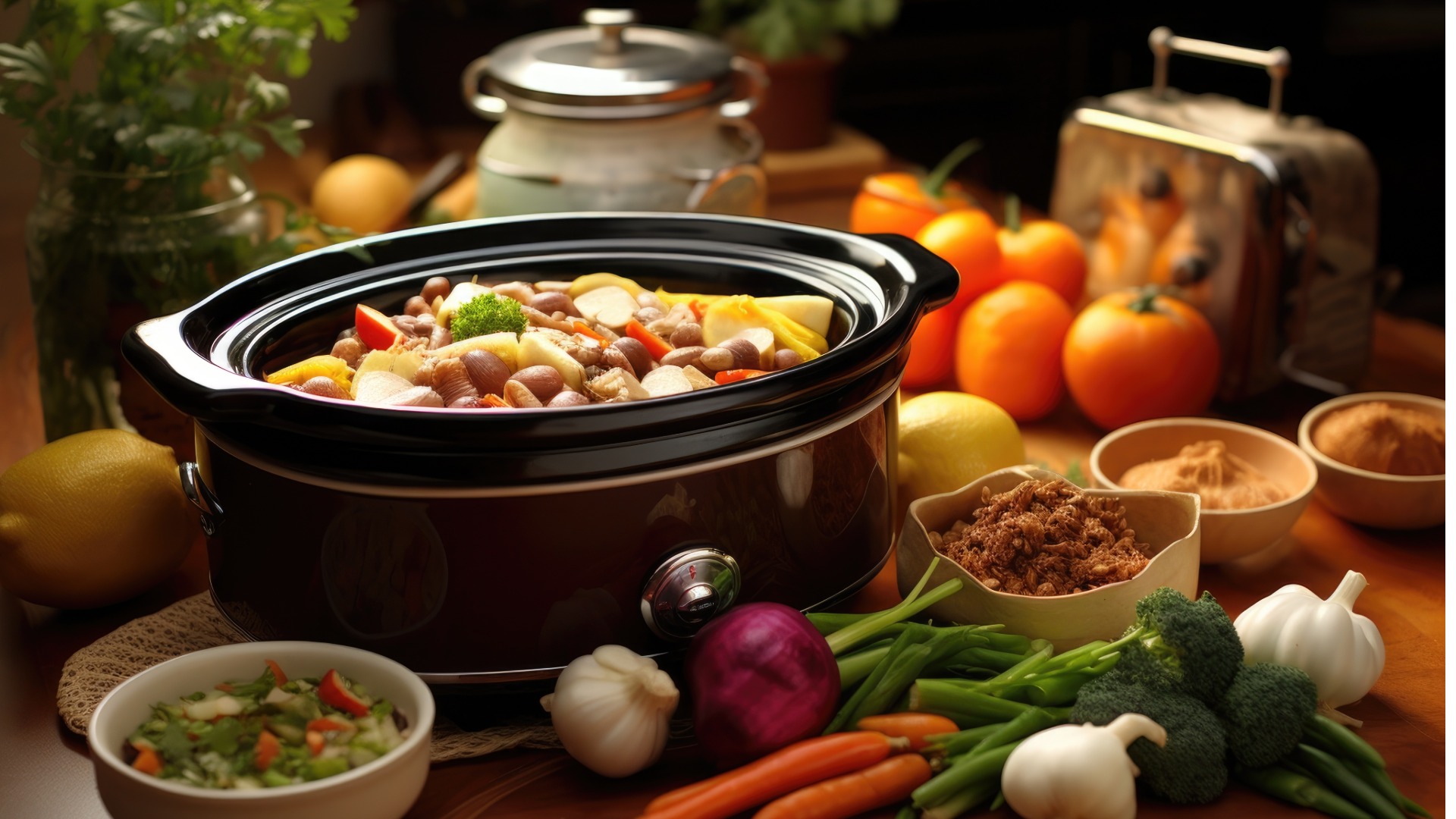
Some of the most satisfying low carb meal prep dishes come from cuts that benefit from a longer, slower cooking process; the same technique behind how to debone a chicken thigh opens up more affordable cuts for a weekly prep session, since boneless thigh meat handles reheating considerably better than leaner cuts like chicken breast, which dry out more easily across several days of storage.
Choosing the Right Prep Surface From the Start
A dedicated, well-maintained surface for the raw protein handled during a big prep session matters enormously here; understanding best cutting board for raw meat considerations directly shapes how safely and efficiently an entire week's worth of protein gets prepped in one sitting, since a single contaminated or poorly maintained board can compromise food safety across every meal that follows from that prep session.
Low carb meal prep ideas stop feeling repetitive once protein, vegetables, and sauces all get treated as separate, rotatable variables rather than a single fixed combination repeated every week. Building genuine variety across those three dimensions is what turns a restrictive-feeling approach into a genuinely sustainable one.

Katie Drsoptig is Sugar Press’s Culinary Technique and Food Science Editor. She explains the mechanics behind cooking methods across every cuisine, why braising tenderizes, why brining works, why blanching sets color, breaking each technique down into steps any home cook can repeat with confidence.