Boneless, skinless chicken thighs at the grocery store cost noticeably more per pound than bone-in thighs, purely for the convenience of someone else doing a few minutes of knife work. How to debone a chicken thigh is a genuinely approachable skill, and once learned, it pays for itself almost immediately in grocery savings.
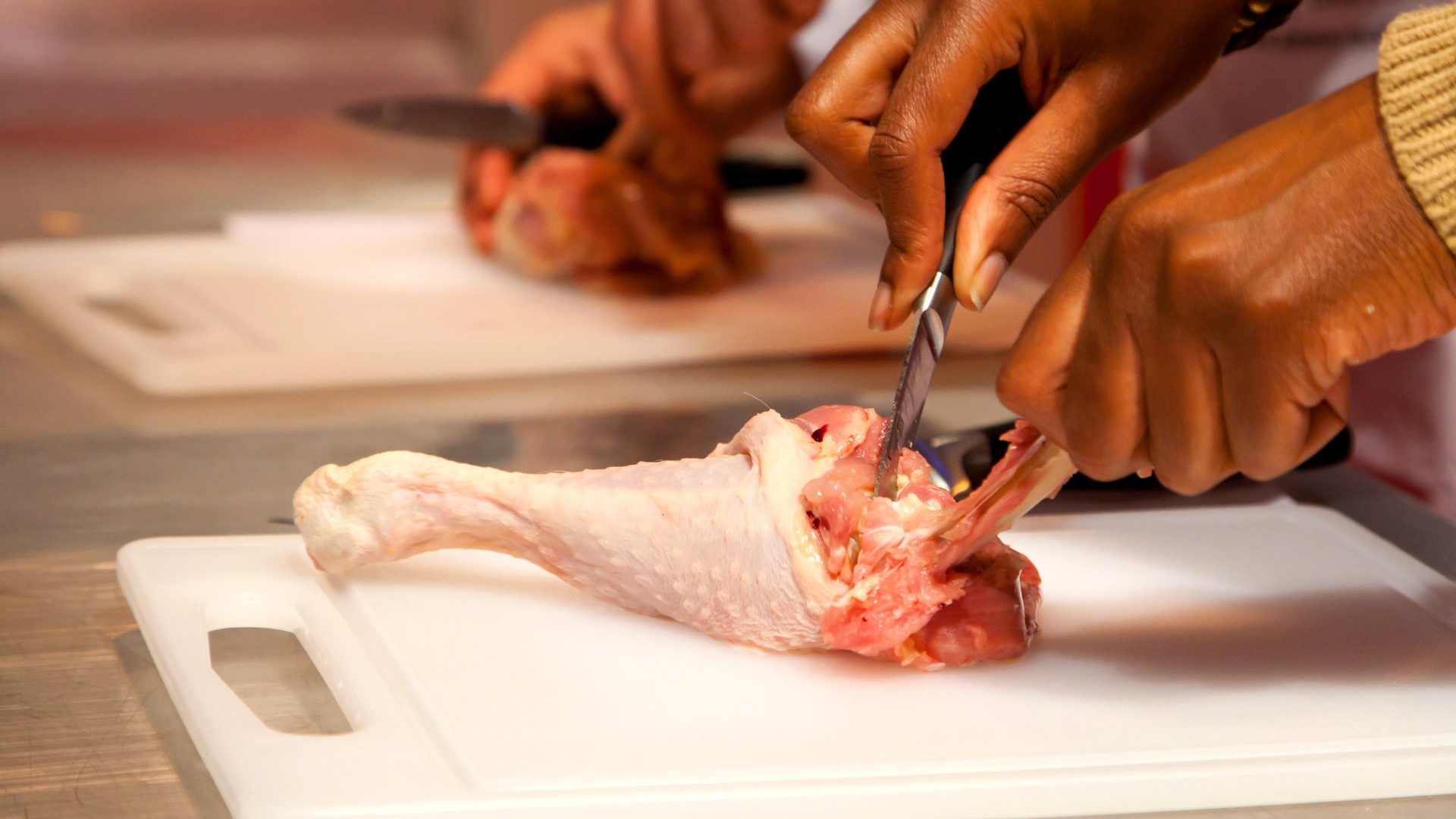
Work on a stable cutting board, ideally one dedicated to raw poultry, with a sharp paring knife or boning knife, since a dull blade makes this task both slower and more dangerous. Placing the thigh skin-side down, bone facing up toward you, gives the clearest view of exactly where to cut.
How to Debone a Chicken Thigh: The Basic Technique
Locate the bone running through the center of the thigh, and using the tip of your knife, cut a straight line along its length, following the bone closely on both sides to expose it fully. Once the bone is exposed, use short, controlled strokes to separate the meat from the bone, keeping the blade angled toward the bone rather than into the meat, to avoid wasting good meat by cutting away too much with the bone still attached.
How to Debone a Chicken Thigh: Removing It Cleanly
Once the meat is separated along most of the bone's length, grip the bone firmly and use the knife tip to finish detaching it at both ends, where cartilage and connective tissue tend to hold on most stubbornly. A slight twisting motion combined with the knife tip often releases the bone cleanly at the joint ends without tearing the surrounding meat.
What to Do With Cartilage and Excess Fat
A small piece of cartilage or a knob of connective tissue near where the bone was attached is common, and trimming it away with a few careful cuts improves both texture and appearance in the finished dish. Excess fat around the edges can be trimmed at the same time, though leaving a reasonable amount intact helps keep the meat moist during cooking, since thigh meat benefits from a bit more fat than leaner cuts like breast meat.
Practicing Efficiently
The first few attempts will likely be slower and less clean than a store-bought boneless thigh, and that is completely normal; speed and precision come with repetition rather than through any single trick or shortcut. Buying a larger package of bone-in thighs specifically to practice on keeps the cost of learning low while building genuine confidence quickly.
Saving the Bones for Something Useful
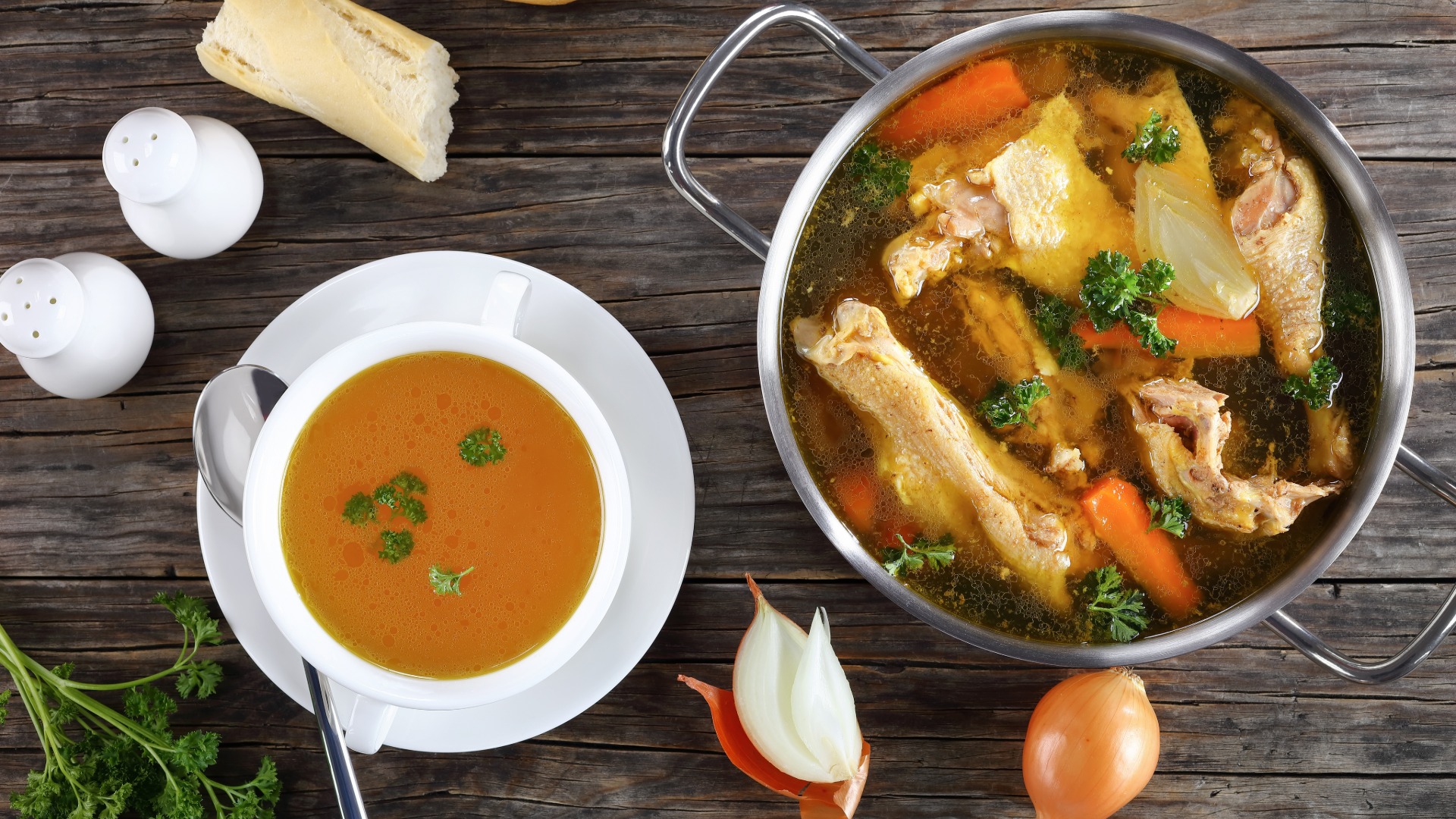
Rather than discarding the bones, saving them in the freezer until you have enough for a batch is a genuinely worthwhile habit, turning what would otherwise be kitchen waste into a rich, homemade stock base. That same careful, nothing-wasted mindset applies well beyond savory cooking too; troubleshooting a batch when why did my macarons crack comes down to the exact same instinct, understanding the process closely enough to fix it rather than discarding a whole batch over a single technique gone wrong.
What to Make With Your Freshly Deboned Thighs
Boneless thigh meat is remarkably versatile once prepped, and it holds up particularly well in dishes with a longer cook time or bold seasoning; something built around best cutting board for raw meat hygiene practices matters here too, since raw poultry prep deserves the same careful attention to cross-contamination regardless of whether the meat came pre-boned or was deboned at home. And once the meat is prepped, a lighter approach to the rest of the meal rounds things out well; the kind of intentional, protein-forward planning behind low carb meal prep ideas pairs naturally with a batch of freshly deboned thighs prepped for the week ahead.
How to debone a chicken thigh comes down to a straight cut along the bone, careful separation with the blade angled toward the bone rather than the meat, and a bit of practice to build real speed and confidence. The grocery savings alone make it worth learning, and the technique becomes second nature after just a handful of attempts.

Katie Drsoptig is Sugar Press’s Culinary Technique and Food Science Editor. She explains the mechanics behind cooking methods across every cuisine, why braising tenderizes, why brining works, why blanching sets color, breaking each technique down into steps any home cook can repeat with confidence.