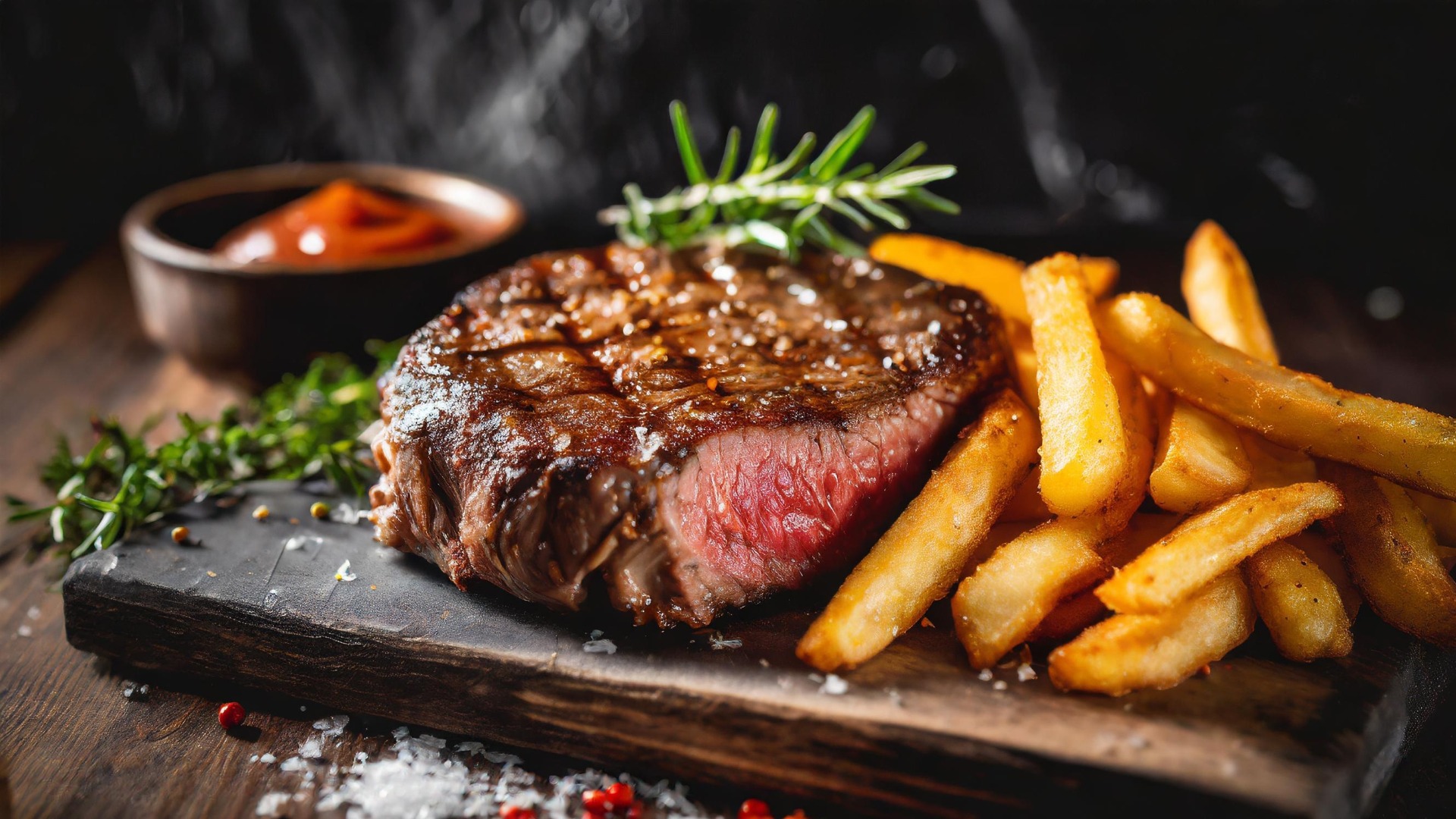
A steak with a pale, gray-brown surface instead of a deep, dark crust is missing most of the flavor a good sear is supposed to deliver. Searing steak correctly is less about a secret trick and more about respecting a handful of genuinely important fundamentals, heat, dryness, and patience chief among them.
Searing triggers the Maillard reaction, a chemical process between amino acids and sugars that only occurs at high temperatures, generally above 300 degrees Fahrenheit, producing hundreds of new flavor compounds and that deep, browned color a proper sear is known for. This is fundamentally different from simply cooking the steak through; a steak can be fully cooked to a safe or desired internal temperature without ever developing genuine Maillard browning if the heat never gets hot enough or the surface never gets dry enough.
Searing Steak: Getting It Genuinely Dry First
Surface moisture is the single biggest obstacle to a good sear, since that moisture has to fully evaporate before the surface temperature can climb high enough to trigger real browning, which wastes valuable pan time and often results in gray, steamed meat rather than a proper crust. Patting the steak thoroughly dry with paper towels immediately before it hits the pan, and salting well in advance, ideally at least forty minutes ahead or right before cooking rather than in between, both meaningfully improve how effectively the sear develops.
Searing Steak: Choosing the Right Fat
The oil or fat used for searing needs a high smoke point, since a fat that begins smoking and breaking down before the pan reaches proper searing temperature contributes bitter, burnt flavors rather than a clean crust. Refined oils with higher smoke points, avocado oil, refined canola, and clarified butter among them, hold up better under the sustained high heat searing requires than butter alone or unrefined, lower-smoke-point oils.
Do Not Crowd or Move the Steak Too Soon
A pan that is too crowded traps steam around the meat instead of allowing it to escape, which drops the surface temperature and undermines the same browning reaction the whole technique depends on. Resisting the urge to move, flip, or check the steak too early matters just as much; a proper crust needs real, undisturbed contact time with the hot pan surface, and constantly moving the steak prevents that crust from ever fully forming.
The Reverse Sear, an Alternative Worth Knowing
For thicker cuts specifically, reverse searing, cooking the steak low and slow in an oven first before finishing with a hard, hot sear at the very end, produces more even doneness edge to edge than searing first and finishing in the oven the traditional way. This method trades a slightly longer overall cooking time for meaningfully more consistent results, particularly on cuts thick enough that a traditional sear-first approach risks an overcooked exterior before the center reaches the right temperature.
Resting Matters as Much as the Sear Itself
Cutting into a steak immediately after searing releases much of the juice that redistributed during cooking, undoing some of the benefit the sear worked to create. Resting for five to ten minutes after cooking allows those juices to settle back through the meat, and using the right cookware from the start makes the whole process smoother; a good non stick pan genuinely helps here too, particularly for building confidence with the technique before graduating to cast iron or stainless steel for an even deeper crust.
Building the Rest of the Meal Around a Great Sear
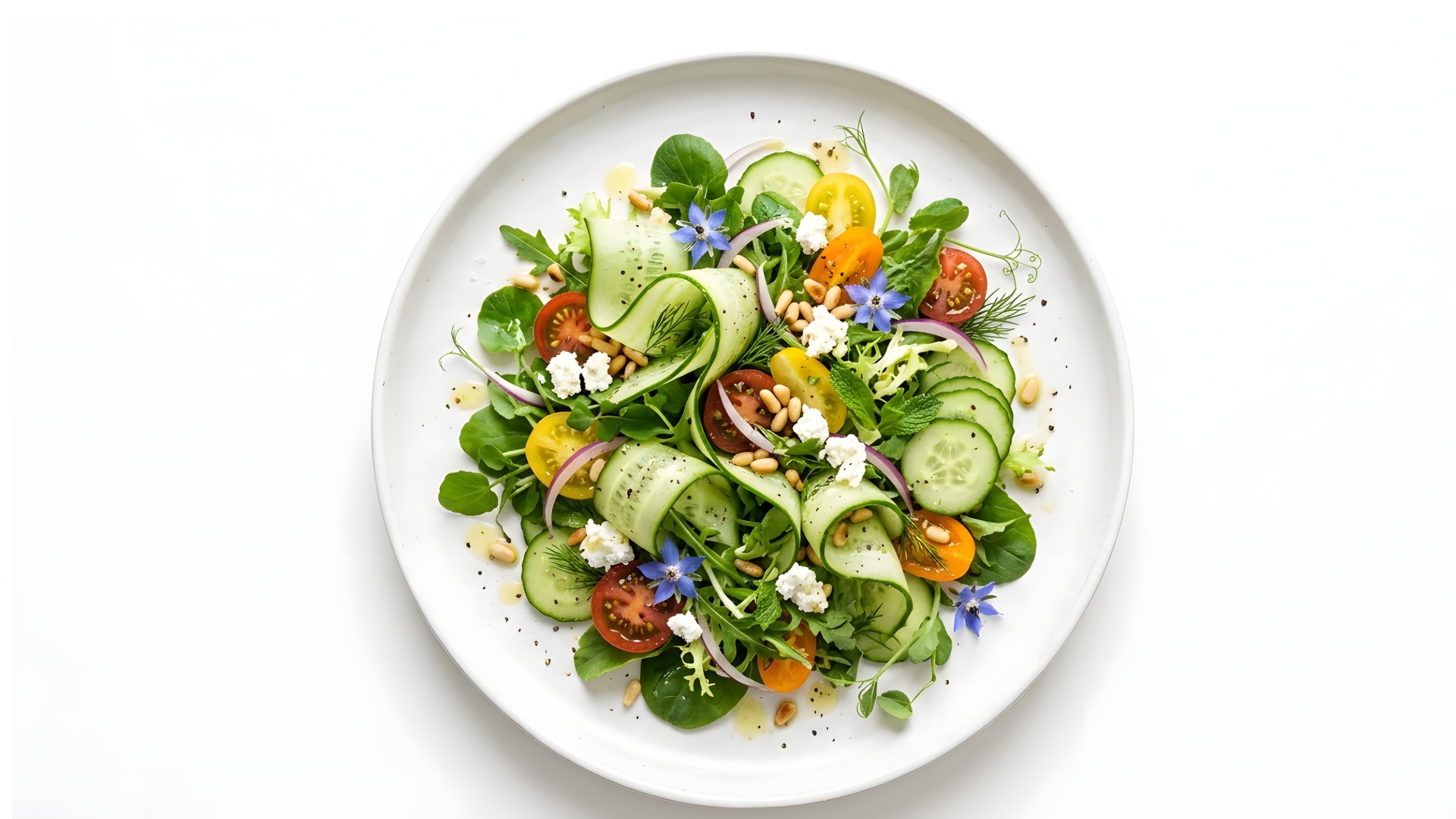
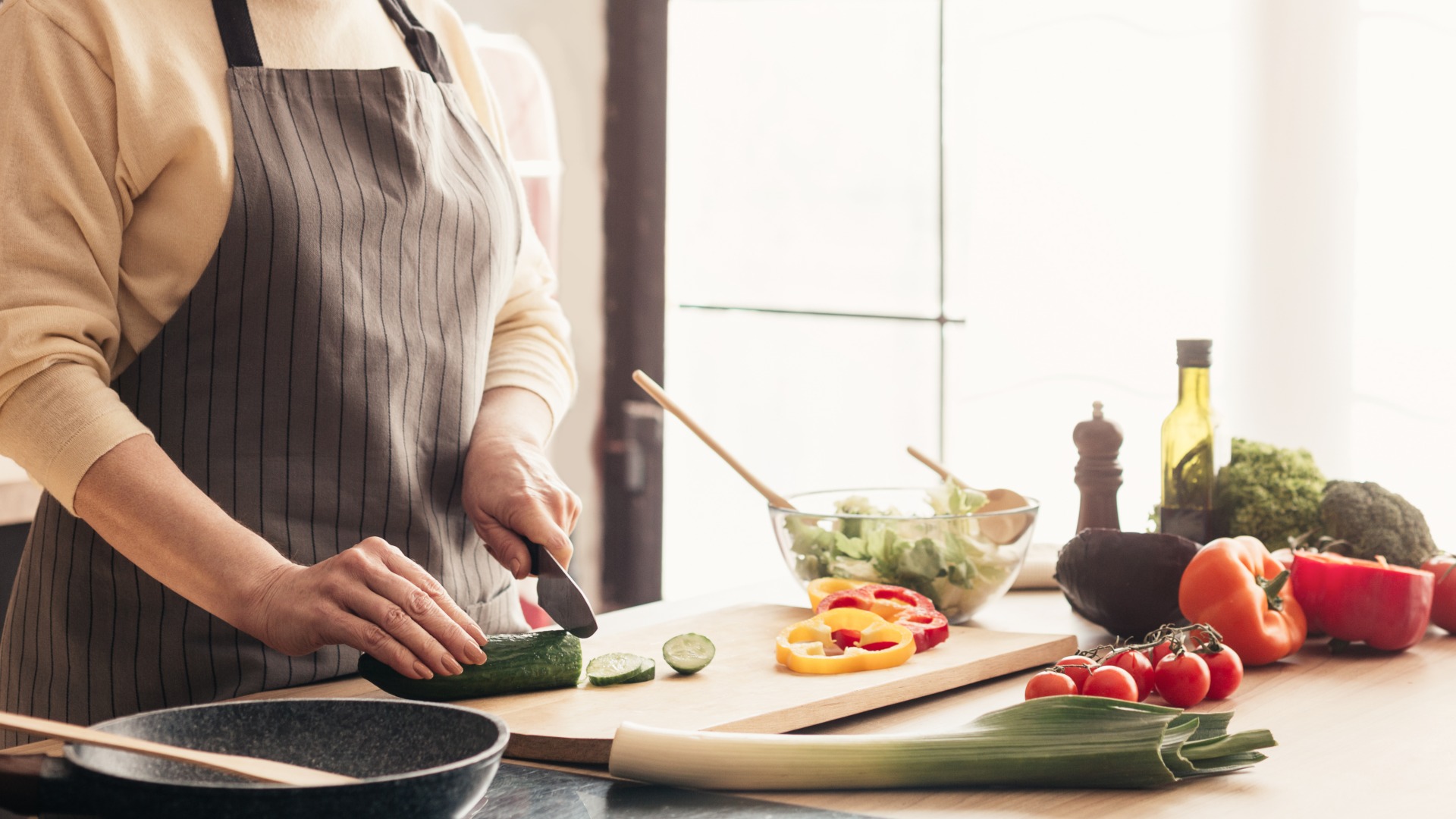
A well-seared steak deserves cookware built for the job; a properly seasoned knife skills approach to slicing against the grain afterward matters just as much as the sear itself, since even a perfectly cooked steak can taste tougher than it should if sliced incorrectly. And rounding out the plate with something that complements rather than competes matters too; a light mediterranean diet meals style side, bright vegetables and good olive oil, balances the rich, deep flavor a properly seared steak brings to the table.
Searing steak well comes down to a dry surface, genuinely high heat, the right fat, an uncrowded pan, and the discipline to leave the meat undisturbed until a real crust has formed. None of it is complicated, but skipping any single step noticeably weakens the result.

Wayan Gurtphaboo is Sugar Press’s Kitchen Equipment and Culinary Science Specialist. He compares cookware, knives, and small appliances on durability and materials science, stainless versus ceramic, santoku versus chef’s knife, so readers can buy once and buy right.