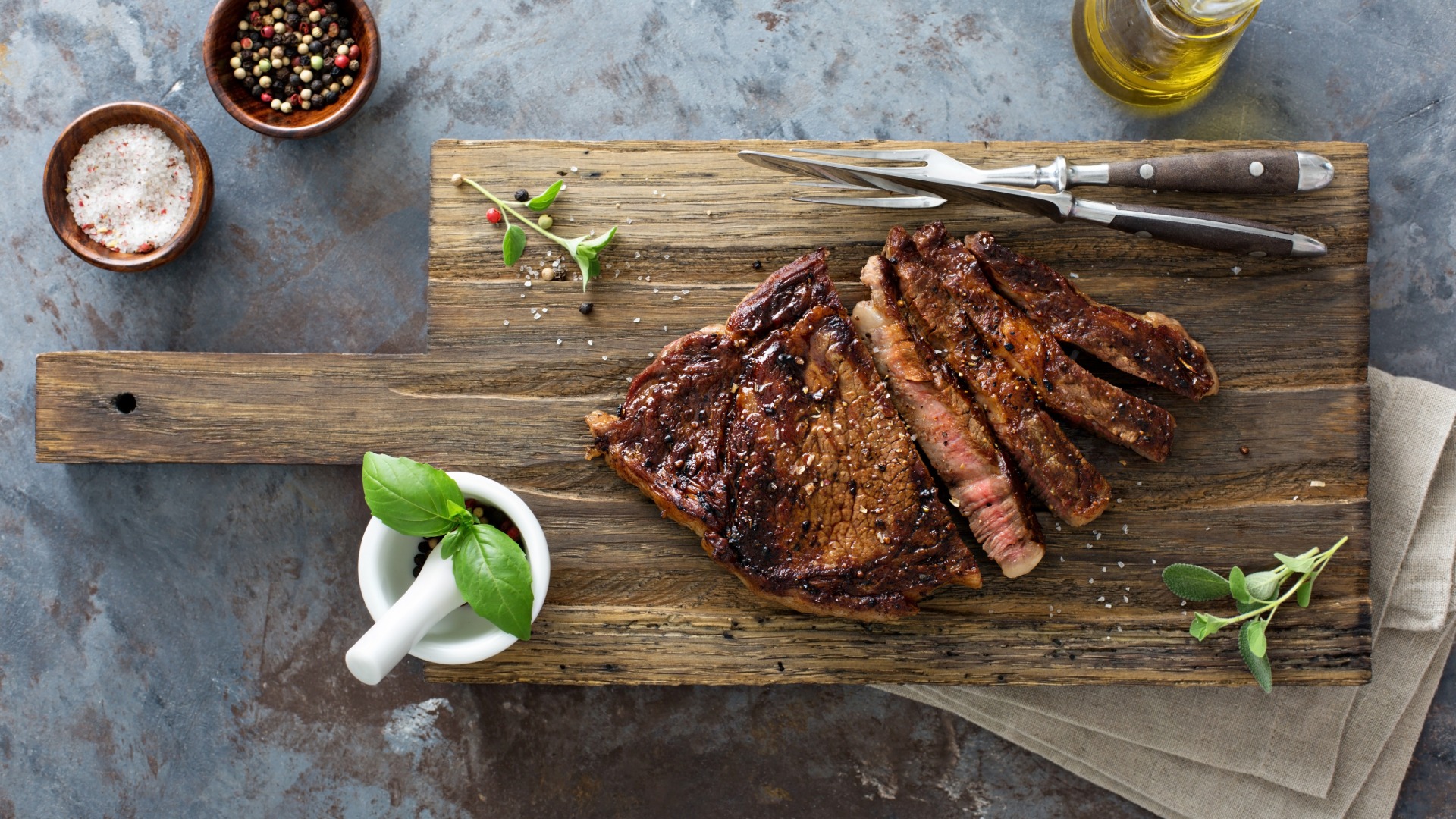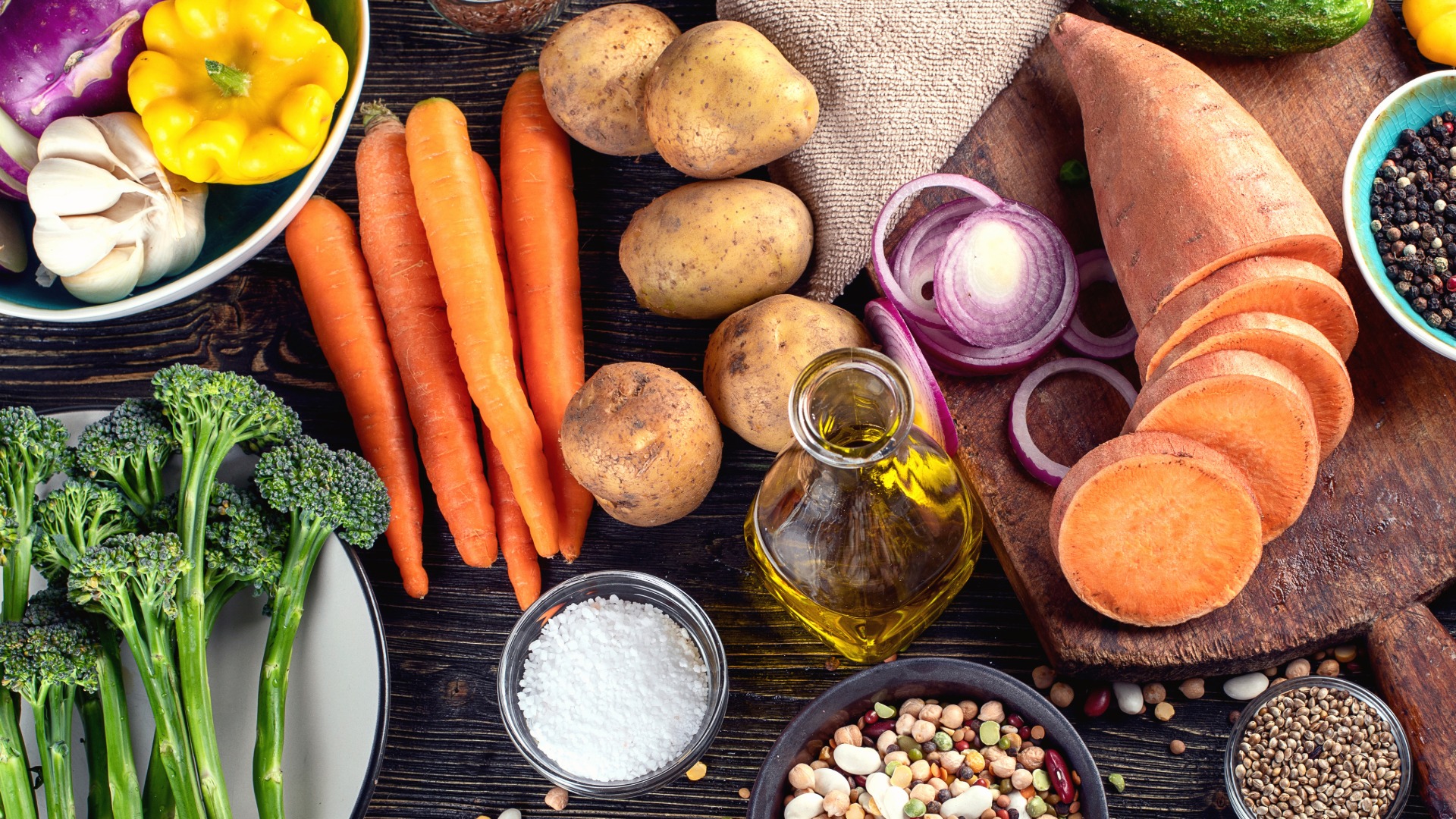
Overcooked chicken breast turning to dry, chalky sawdust is one of the most common frustrations in home cooking, and brining is the single most reliable technique for preventing it, buying real margin for error even when a piece of meat ends up slightly overcooked.
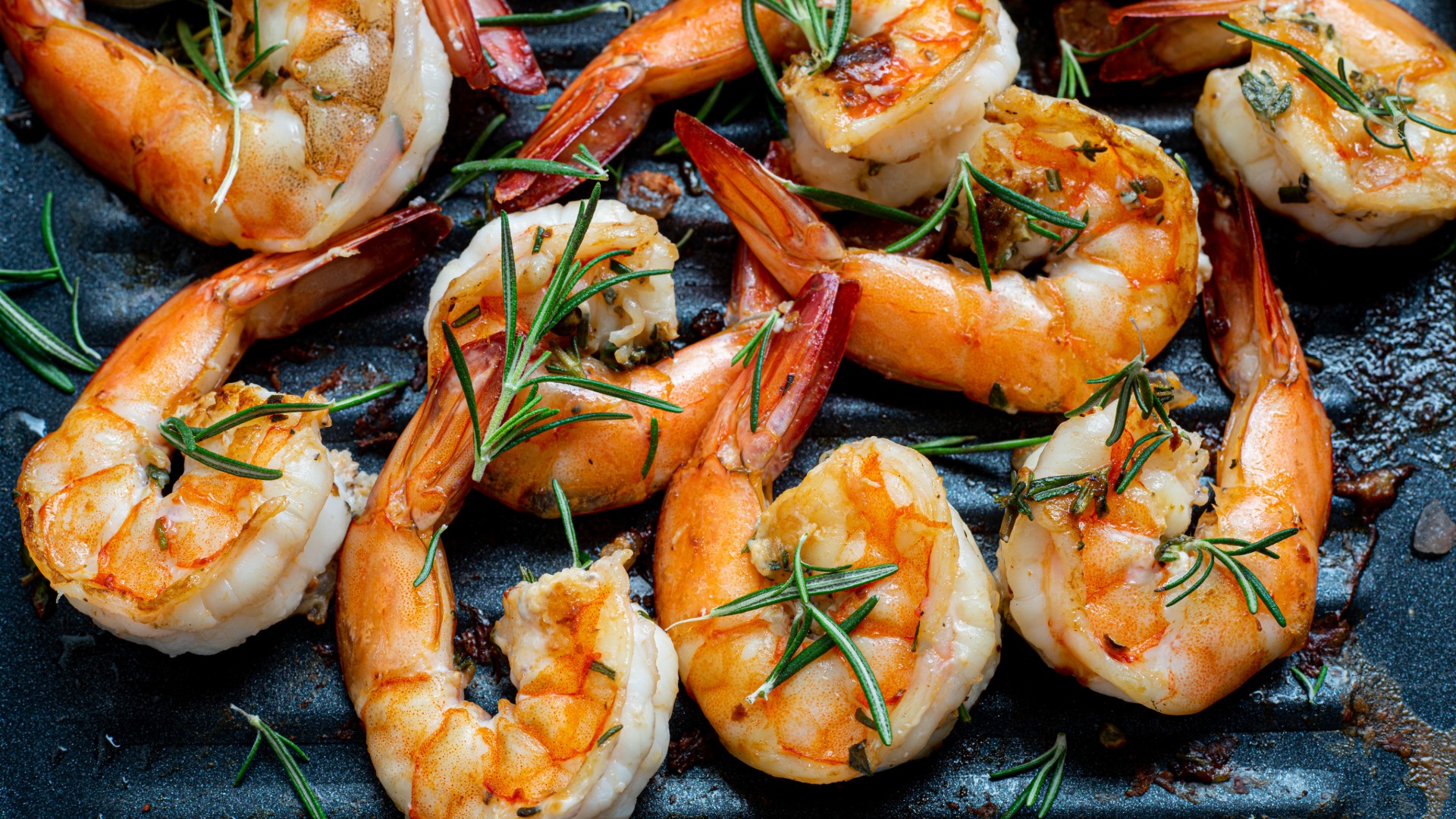
Salt dissolves the structural muscle proteins myosin and actin, causing them to unwind from their normal tightly coiled structure into a looser, more open mesh. That restructured protein matrix physically traps water molecules within the meat, water that would otherwise cook out during heating, which is exactly why a brined piece of meat retains noticeably more moisture than an unbrined one cooked to the identical internal temperature. This is not a seasoning trick, it is a genuine chemical transformation of the protein structure itself.
Wet Brine vs Dry Brine
A wet brine submerges meat fully in a saltwater solution, typically in the range of 5 to 8 percent salt by weight, for several hours up to overnight, adding both salt and extra water weight as a buffer against drying out during cooking. A dry brine applies salt directly to the meat's surface, roughly 0.5 to 1 percent of the meat's weight, and relies on the same protein-restructuring mechanism without adding extra water, which produces a firmer texture and, notably, crisper skin on poultry, since a wet brine's added surface moisture actively works against crisping.
Which Method Suits Which Situation
Wet brining suits lean, smaller cuts prone to drying out, whole chicken, chicken breasts, pork chops, where the added moisture buffer matters most. Dry brining suits situations where crisp skin matters, roasted or smoked poultry especially, and it is generally simpler and less messy than managing a large container of brine. Well-marbled cuts, ribeye, pork belly, chicken thighs, generally do not benefit meaningfully from either method, since their natural internal fat already provides adequate moisture protection during cooking.
Timing Guidelines by Protein
Thin cuts and delicate seafood need only a brief brine, fifteen to thirty minutes for shrimp or white fish, to avoid over-salting or turning the texture unpleasantly firm. Steaks and chops around one to two inches thick generally do well with a two to four hour dry brine. Whole chickens typically benefit from around four hours, and turkeys or large roasts from eight to ten hours, occasionally longer, though extending a dry brine much beyond twelve hours tends to push texture past the point of genuine improvement.
A Critical Safety Note
Never brine meat that is already labeled "enhanced" or "contains added solution," since commercial poultry and pork are frequently pre-injected with a salt solution, and brining an already-enhanced product on top of that risks an unpleasantly, even unsafely, salty result. Checking the label before starting any brine is a simple step worth never skipping.
Brining Still Requires Correct Cooking Temperature
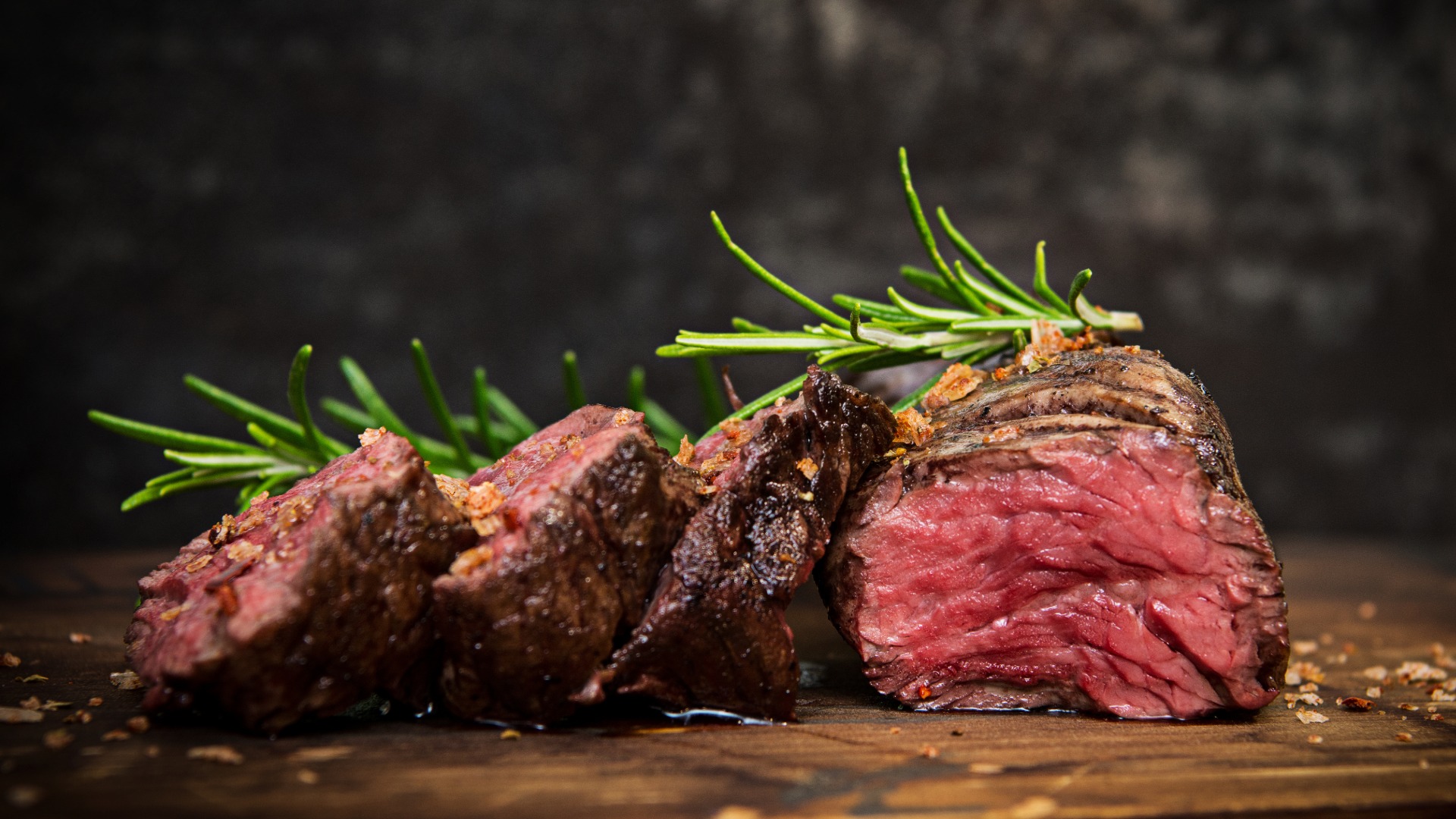
Brining is genuine insurance against overcooking, not a replacement for correct temperature control; even well-brined meat will eventually dry out if cooked significantly past a safe internal temperature. Understanding how to properly achieve a great searing steak result, high heat, correct timing, and pulling the meat at the right internal temperature, still matters just as much on a brined piece of meat as an unbrined one, since brining extends your margin for error, it does not eliminate the need for good technique altogether.
Rounding Out the Meal
A well-brined protein deserves a cooking method that does it justice, and the technique translates well beyond the stovetop too; a quick, well-timed dry brine works just as well on shellfish, and air fried shrimp benefits from the exact same short, careful brining window that keeps delicate seafood from turning tough or over-salted. And the same moisture-retention principle carries into other meals too, even ones built around a completely different protein and time of day; the high protein breakfast ideas worth building a routine around often include eggs or chicken that benefit from the identical brining logic, just applied earlier in the day than a dinner-table roast.
Brining is a genuinely well-understood, reliable technique: salt restructures protein to trap moisture, wet or dry depending on the result you want, and it buys real insurance against the most common way home-cooked meat goes wrong. Combined with correct cooking temperature, it is one of the highest-leverage techniques available to a home cook.

Benjamin Floxtriswa is Sugar Press’s Meal Planning and Weeknight Strategy Editor. He covers batch cooking, weekly menus, and smart grocery decisions, turning meal planning into a fast, practical system instead of a chore.