The front of a protein bar wrapper is essentially an advertisement, and the actual nutritional value hides in the ingredient list and nutrition panel most shoppers barely glance at. How to choose a protein bar well means learning to read past the marketing to what is genuinely inside.
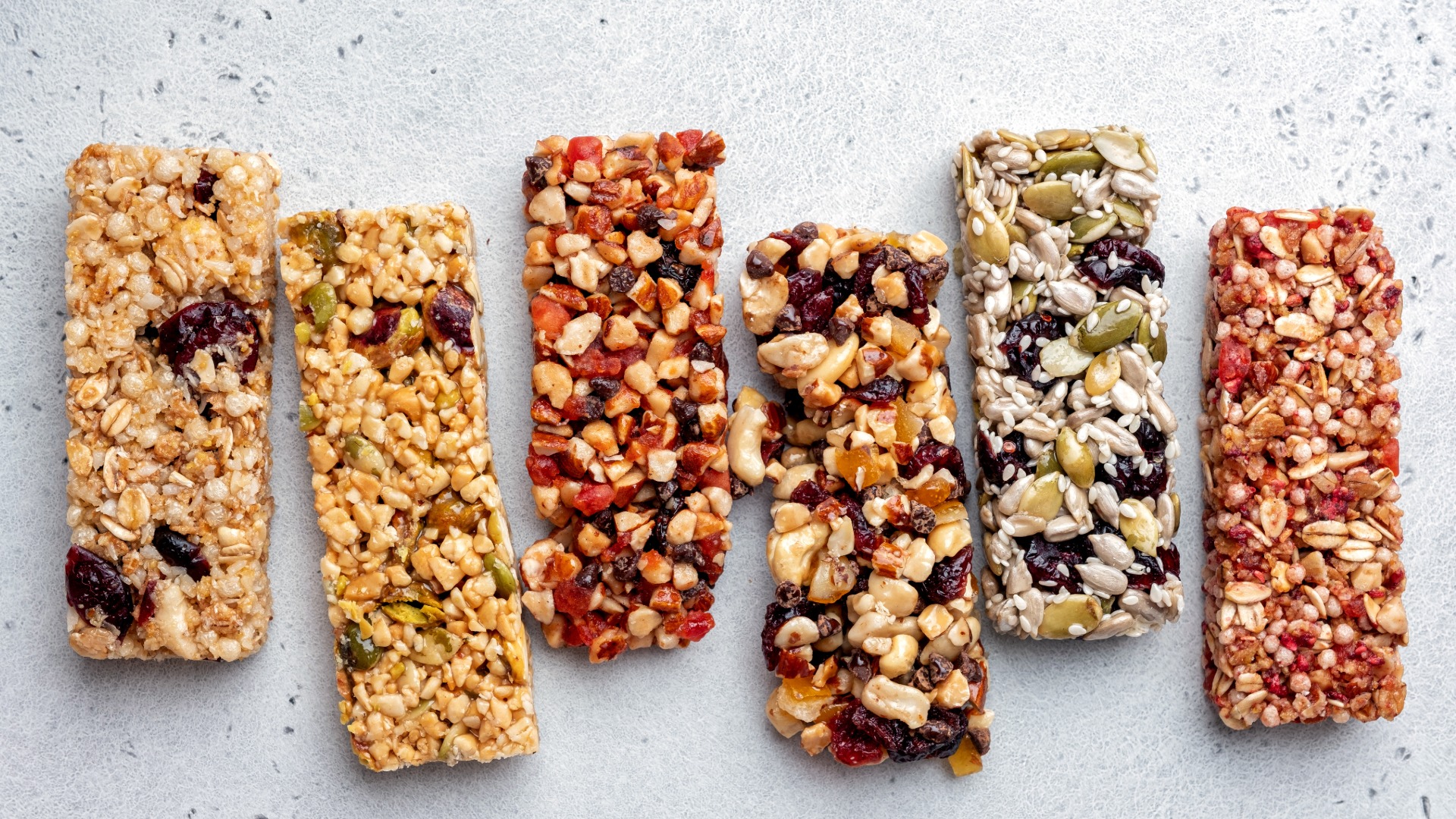
A bar's headline protein number matters less than where that protein actually comes from; whey, casein, egg white, and soy protein isolate are all complete proteins with a strong amino acid profile, while some plant-based blends need multiple sources combined to achieve the same completeness. Checking the ingredient list for the specific protein source, rather than trusting the large number printed on the front, gives a clearer picture of actual quality.
How to Choose a Protein Bar: Scrutinize the Sugar
Many bars marketed around fitness or protein content still carry a surprising amount of added sugar, sometimes rivaling an actual candy bar, disguised behind terms like brown rice syrup, cane sugar, or various syrups listed multiple times under different names. Checking the total grams of added sugar specifically, not just scanning for the word "sugar" once in the ingredient list, catches bars that hide meaningful sweetener content across several differently named ingredients.
How to Choose a Protein Bar: Fiber Is Underrated
A bar with genuine, natural fiber, from nuts, seeds, or whole grains, tends to be more satisfying and better for digestion than one relying on sugar alcohols or isolated fiber additives to inflate the fiber number on the label without the same nutritional benefit. Checking whether fiber comes from whole food ingredients or an isolated additive gives a more accurate sense of how genuinely nutritious a bar actually is.
Ingredient List Length as a Rough Signal
A shorter ingredient list, built around recognizable whole foods, generally signals a less processed product than a long list dominated by isolates, gums, and artificial additives. This is not an absolute rule, some genuinely excellent bars have longer lists for legitimate reasons, but as a quick, rough filter when comparing options side by side, ingredient list length is a reasonably useful shortcut.
Matching a Bar to Its Actual Purpose
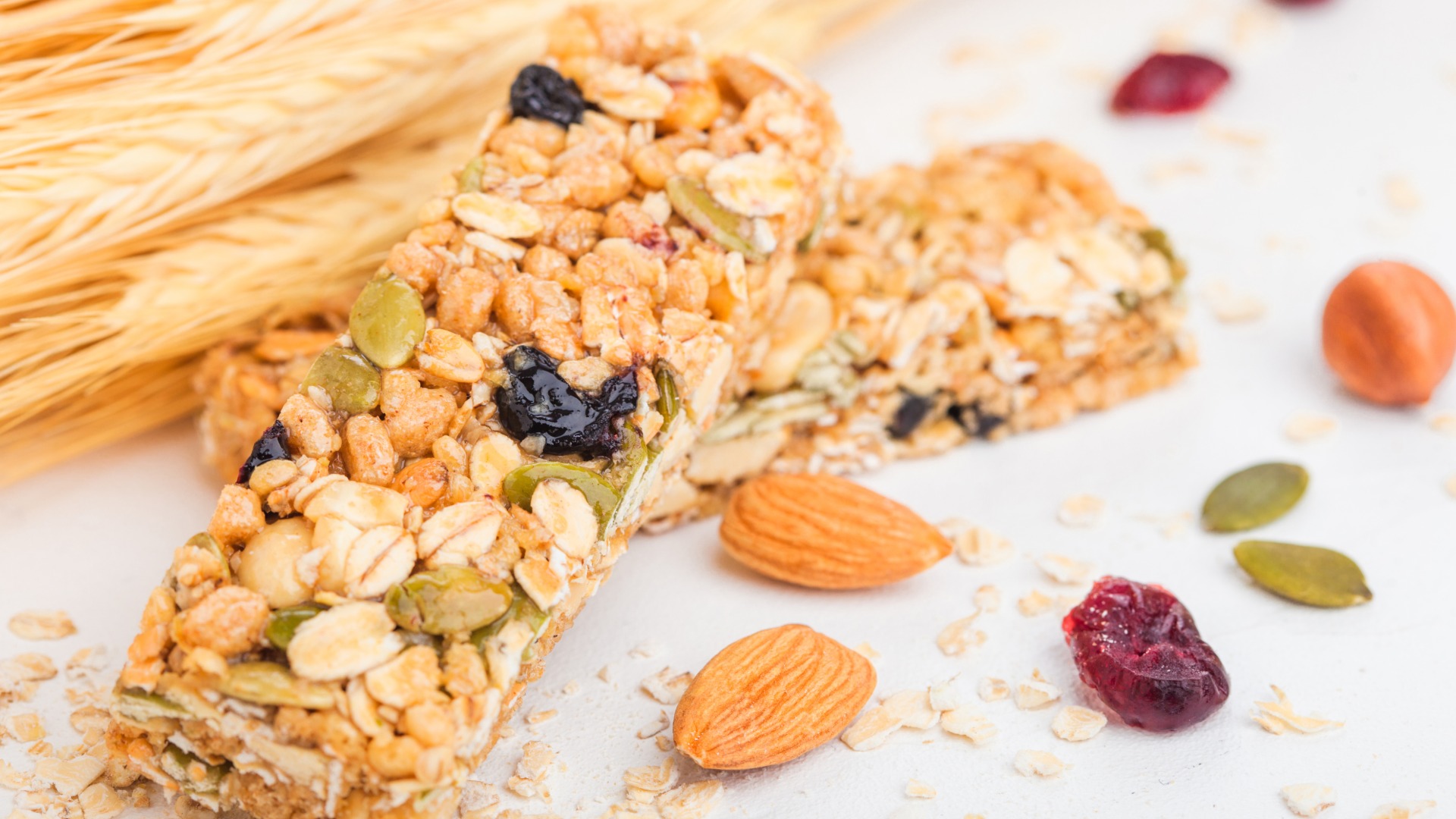
A bar meant as a genuine meal replacement needs meaningfully different nutrition, more calories, a real balance of macronutrients, than a bar meant as a light snack or a quick pre-workout boost. Being honest about which role a bar is actually filling in your day prevents both under-fueling on a day it needed to function as a real meal and over-consuming calories on a day it was meant as a light snack.
Reading Labels Is a Transferable Skill
The same careful, skeptical label-reading that improves protein bar choices applies directly to other packaged foods too, and it is a skill worth building deliberately; understanding active dry yeast vs instant yeast packaging and expiration dating uses the same close-reading instinct, checking what a label actually says rather than assuming based on the front-of-package claims alone.
Building Better Habits Around Snacking
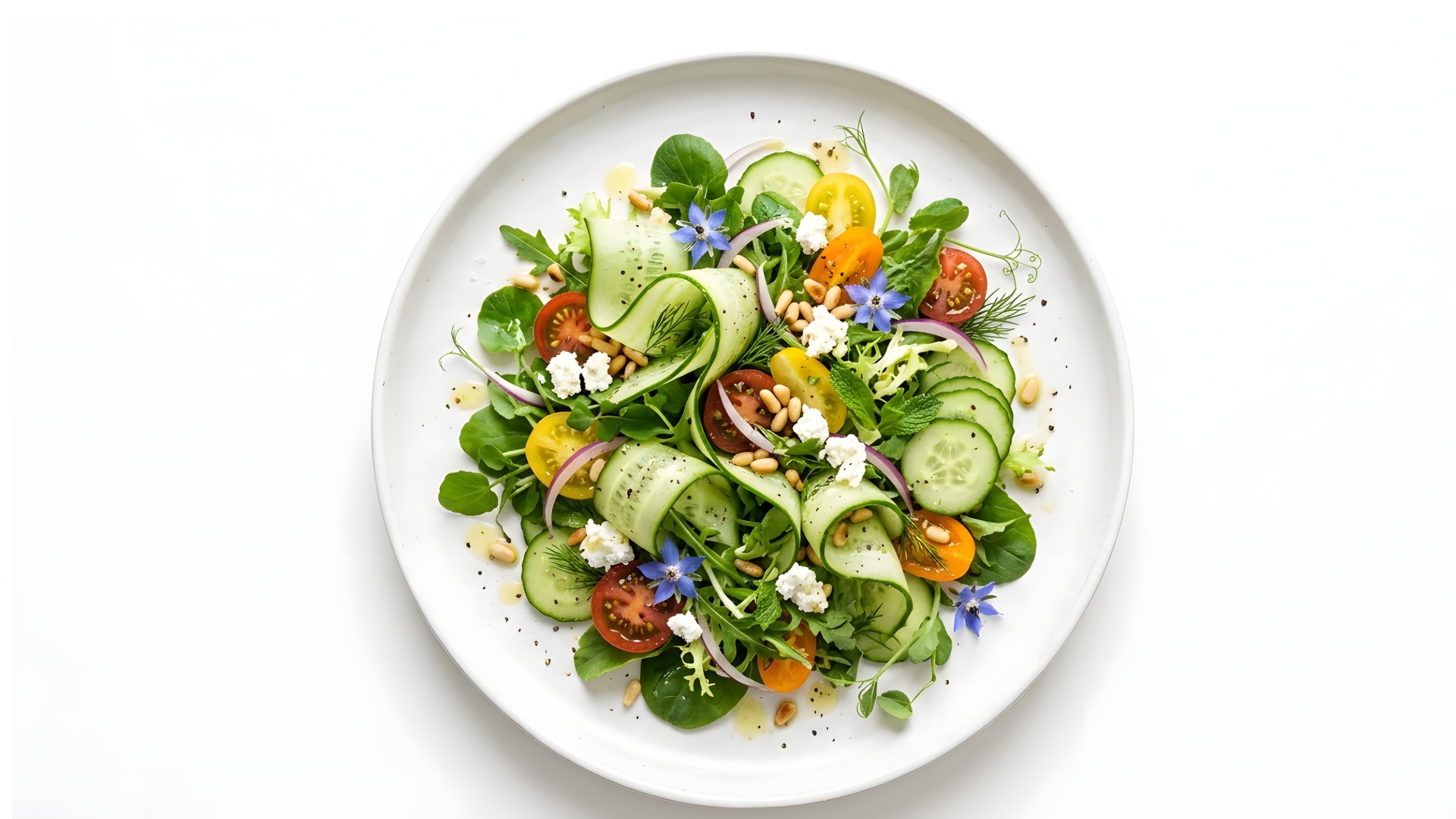
A well-chosen protein bar fits naturally into a broader pattern of intentional eating; pairing thoughtful bar choices with a genuinely balanced approach like the kind covered in air fried shrimp meal prep, quick, protein-forward, and minimally processed, builds a more complete picture of eating well than any single snack choice can provide on its own. And rounding out a snack-heavy day with something fresh matters too; a simple creamy cucumber salad recipe adds real, whole-food nutrition alongside whatever packaged snacks make up the rest of a busy day.
How to choose a protein bar comes down to reading past the front-of-package marketing to the actual protein source, sugar content, and ingredient list on the back. A few extra seconds of label-reading meaningfully changes which bars actually deserve a spot in your pantry.

Wayan Gurtphaboo is Sugar Press’s Kitchen Equipment and Culinary Science Specialist. He compares cookware, knives, and small appliances on durability and materials science, stainless versus ceramic, santoku versus chef’s knife, so readers can buy once and buy right.