Mixing bowls feel like the least glamorous purchase in a kitchen, yet the wrong set, too few sizes, the wrong material for the task, quietly slows down nearly every prep task that follows.

Stainless steel bowls are lightweight, nearly indestructible, and safe for both hot and cold contents, making them the most versatile everyday choice for most kitchens. Glass bowls let you see contents clearly and are microwave-safe, useful for tasks like melting butter or softening ingredients directly in the bowl, but they are heavier and can chip or crack if dropped. Plastic bowls are the lightest and least expensive option, though they scratch easily, can retain odors and stains from ingredients like tomato sauce, and are not ideal for tasks involving high heat.
Mixing Bowls: Why Nesting Sets Earn Their Keep
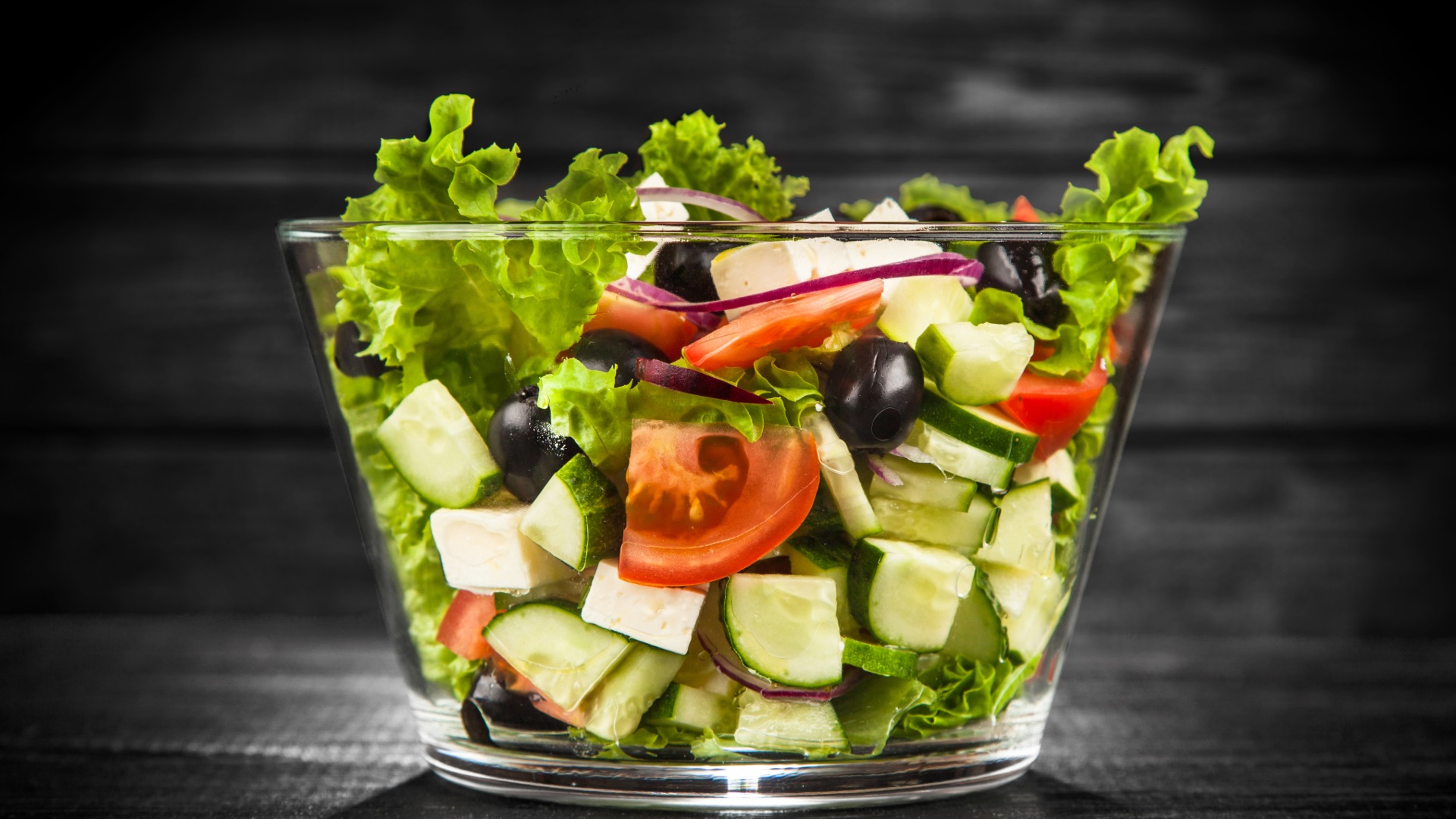
A set of bowls that nest together for storage saves real cabinet space compared to buying individual bowls piecemeal over time, and it typically ensures you have a genuinely useful range of sizes on hand rather than five bowls that are all roughly the same, unhelpful medium size. A well-chosen range, small for a quick vinaigrette or beaten eggs, medium for tossing a salad, large for bread dough or a big batch of blanched vegetables, covers the overwhelming majority of everyday kitchen tasks.
Mixing Bowls: Non-Slip Bases Are Worth It
A bowl that slides across the counter while you are whisking or mixing vigorously is a genuine hassle, and models with a rubberized, non-slip base solve this small but persistently annoying problem effectively. This feature matters more than it sounds like it would until you have used a bowl without it while trying to whisk something with one hand and stabilize the bowl with the other.
Weight and Balance for Different Tasks
Heavier bowls, generally stainless steel or glass, resist tipping and sliding during vigorous mixing or whisking, an advantage for tasks like whipping cream or beating eggs where real force is involved. Lighter bowls are easier to lift, pour from, and maneuver one-handed, which matters more for tasks like tossing a salad or folding delicate ingredients where stability matters less than ease of handling.

Sizing for Real Kitchen Tasks
Choosing to invest in the right prep protein before mixing anything matters too; a solid understanding of how to choose a protein bar style label-reading translates directly to reading a mixing bowl set's actual capacity listed on the box, since marketing language around bowl size varies considerably between brands and a genuinely useful set needs real capacity, not an optimistic label.
Bowls for Slow, Patient Techniques
A larger, heavier bowl earns its keep specifically for techniques that require holding a significant volume steady over time; the low, patient cooking behind braising often starts with staging ingredients in a large bowl before they go into the pot, and having a properly sized bowl on hand prevents a mid-recipe scramble looking for something big enough to hold everything at once.
Where a Good Bowl Set Pays Off Immediately
Beyond baking and salads, a proper mixing bowl set genuinely shines for marinades and bold, flavor-forward dishes; prepping the components for something like Mongolian beef recipe benefits directly from having the right size bowl for marinating the meat separately from mixing the sauce, keeping raw meat contained and organized rather than everything crowded into one bowl doing double duty.
Mixing bowls are a simple purchase that pays off in ways easy to overlook until you are working with the wrong set: too few sizes, a material poorly suited to the task, or a base that slides across the counter mid-whisk. A well-chosen, properly sized set genuinely earns its place as one of the most frequently used tools in any kitchen.

Katie Drsoptig is Sugar Press’s Culinary Technique and Food Science Editor. She explains the mechanics behind cooking methods across every cuisine, why braising tenderizes, why brining works, why blanching sets color, breaking each technique down into steps any home cook can repeat with confidence.