Crock pot meals promise real convenience, load ingredients in the morning, come home to dinner already done, but that unattended cooking window is exactly why understanding how the appliance actually keeps food safe matters before relying on it regularly.
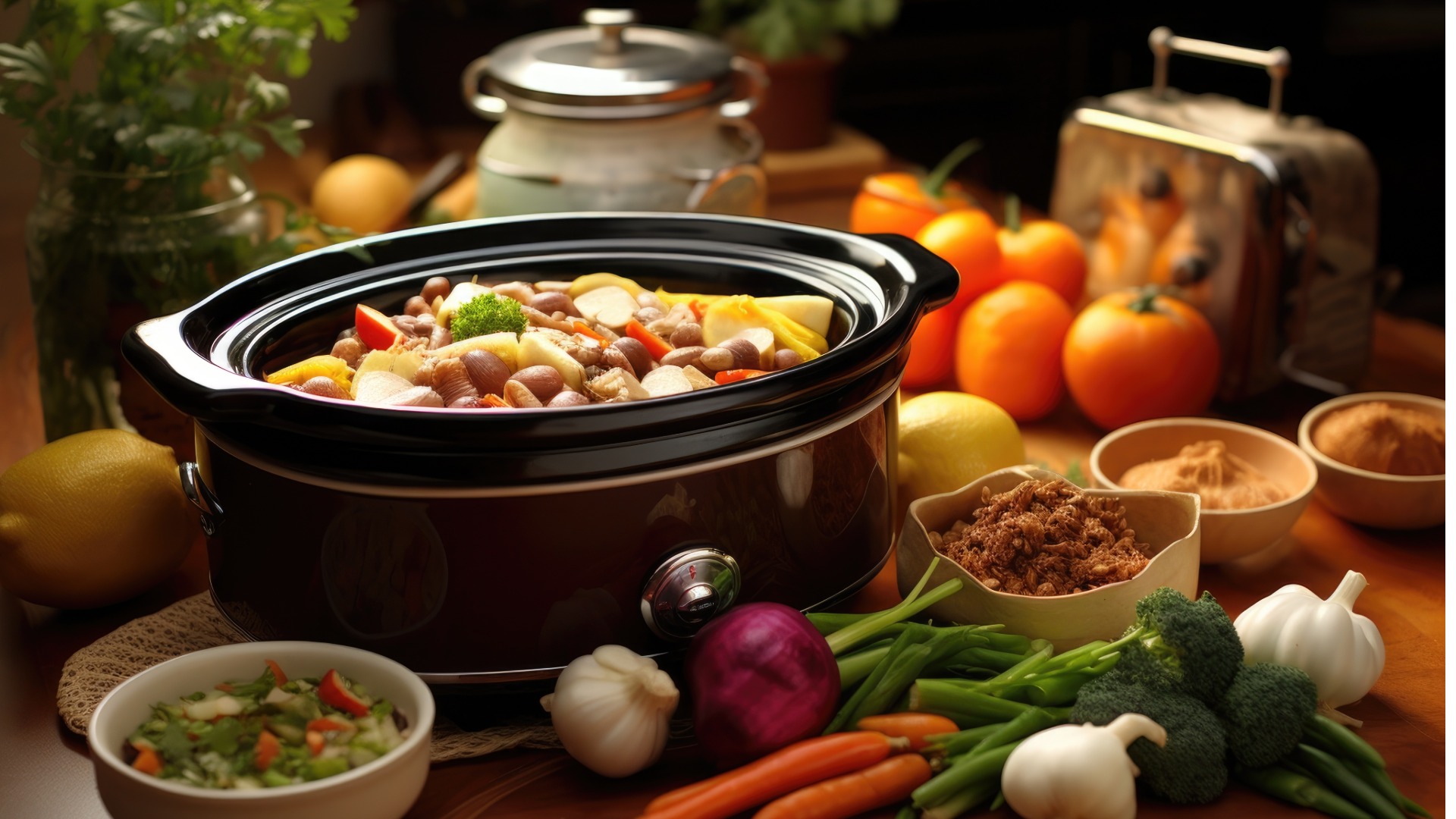
A slow cooker cooks food at a genuinely low temperature, generally between 170 and 280 degrees Fahrenheit depending on setting, but the combination of that direct, sustained heat, a long cooking time, and steam trapped by the tight-fitting lid works together to move food through the bacterial danger zone, 40 to 140 degrees Fahrenheit, quickly enough to prevent bacteria from multiplying to unsafe levels. This is the entire safety mechanism the appliance depends on, and understanding it explains why a few specific habits matter so much.
Crock Pot Meals: Never Cook From Frozen
Frozen meat or poultry takes considerably longer to climb out of the temperature danger zone than fresh or fully thawed meat does, which means it can linger in that unsafe range far longer than the appliance's design accounts for. Always thaw meat completely, in the refrigerator rather than at room temperature, before it goes into a crock pot, without exception.
Starting on High Helps, Especially for Meat
Turning the cooker to its high setting for the first hour, then dropping to the lower setting called for in a recipe, helps food clear the danger zone faster right at the start, a step worth taking any time meat or poultry is involved. This single adjustment meaningfully reduces the total time food spends at an unsafe temperature during the earliest, most vulnerable part of the cooking process.
Crock Pot Meals: Fill Level and Liquid Matter
Filling the cooker no less than half full and no more than two-thirds full ensures safe, even heat distribution throughout the pot. When cooking meat or poultry specifically, the liquid level should nearly cover the ingredients, since that liquid is what generates the steam responsible for even heat transfer throughout the crock, not just around the edges.
Do Not Lift the Lid Unnecessarily
Each time the lid comes off during cooking, the internal temperature drops ten to fifteen degrees and takes roughly twenty minutes to recover, which meaningfully extends the total time needed and, more importantly, extends how long the food spends at a lower, less safe temperature. Resisting the urge to check and stir constantly is a genuinely important habit, not just a convenience tip.
Never Use the “Warm” Setting to Cook
The warm setting exists specifically to hold already-cooked food at a safe serving temperature, not to cook raw ingredients; using it as a cooking setting leaves food in the danger zone far too long, since it was never designed to move food through that range quickly in the first place.
A Special Note on Dried Beans
Dried beans, kidney beans especially, contain a natural toxin that low slow-cooker temperatures do not reliably destroy. Soaking beans for several hours, then boiling them on the stovetop for at least ten minutes before adding them to a crock pot, neutralizes this toxin properly, a step worth never skipping regardless of how convenient it would be to add dried beans directly.
Confirming Doneness the Right Way
Checking meat and poultry with a food thermometer before serving remains essential regardless of how long something has cooked, since slow cooker performance varies somewhat by model and altitude; roasts should reach 145 to 160 degrees, poultry 165 degrees, and soups or stews 165 degrees throughout. This same careful, verify-rather-than-assume approach applies to sharp kitchen tools too; good kitchen shears make quick, safe work of trimming fat or breaking down poultry before it goes into the pot in the first place.
Building a Flavorful Base
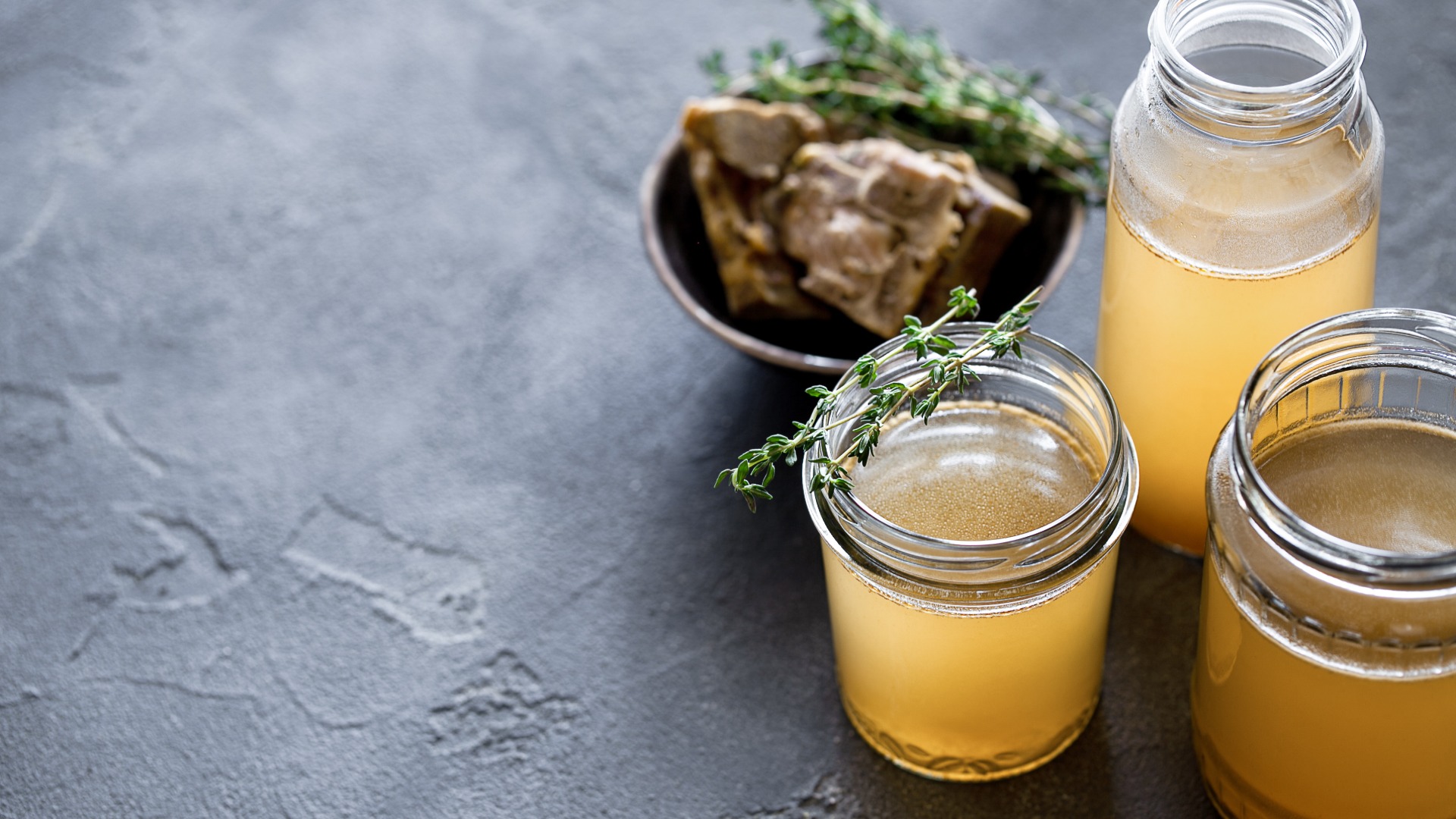
A rich stock vs broth choice for the cooking liquid makes a real difference in a crock pot meal's final depth of flavor, since the long, slow cooking time gives even a modest amount of good stock plenty of opportunity to infuse the entire dish. And for a satisfying side that complements almost any slow-cooked main, a batch of steak fries rounds out the meal without competing for oven or stovetop space while the crock pot does its work.
Crock pot meals are genuinely safe and convenient once the core safety habits, thaw first, start on high for meat, keep the lid on, never use warm to cook, become automatic. The appliance does the hard work; these few rules just make sure it does that work safely.
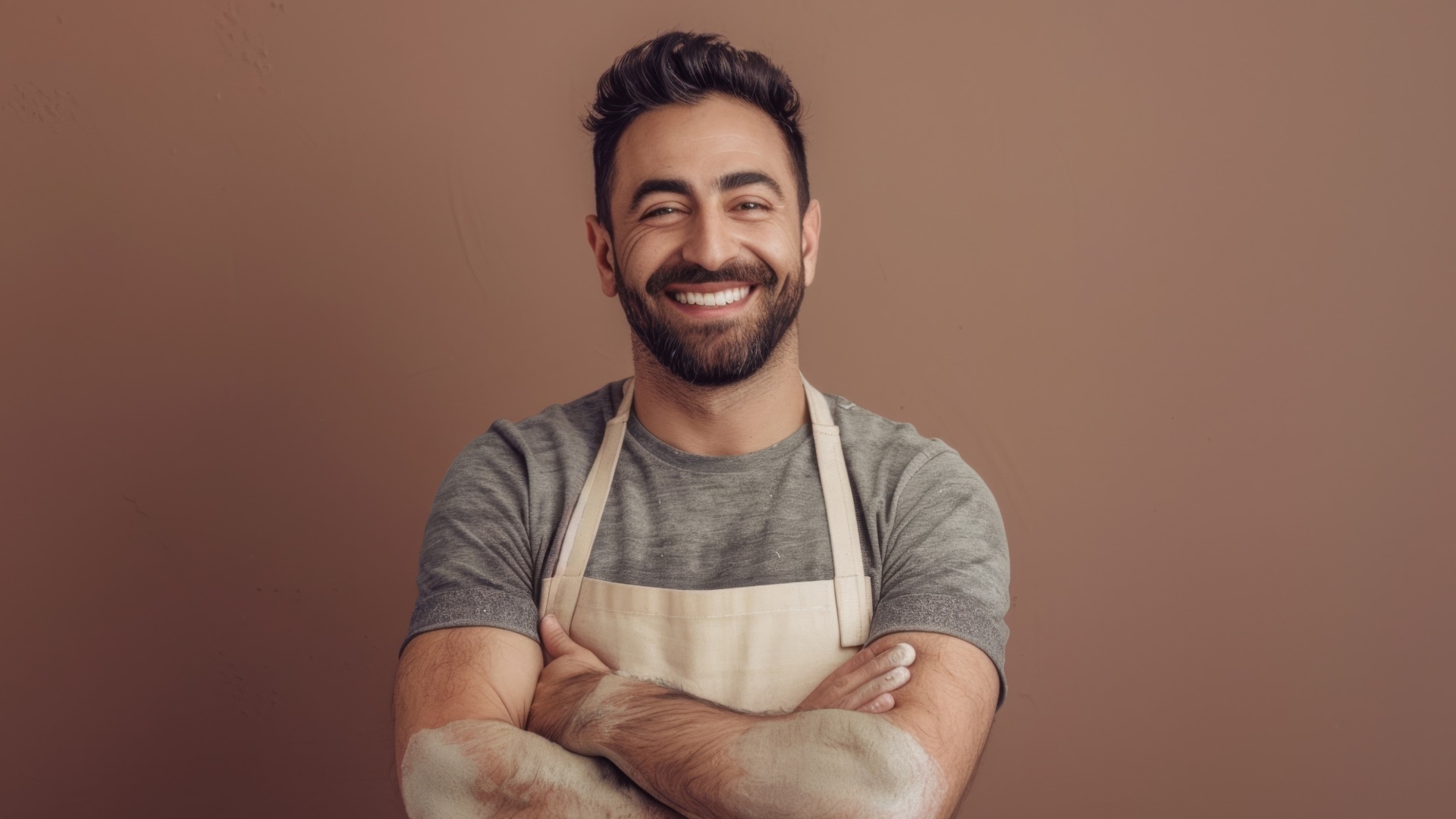
Wayan Gurtphaboo is Sugar Press’s Kitchen Equipment and Culinary Science Specialist. He compares cookware, knives, and small appliances on durability and materials science, stainless versus ceramic, santoku versus chef’s knife, so readers can buy once and buy right.