A paleo meal plan builds meals around the general idea of eating foods closer to what would have been available before modern agriculture and food processing, though how strictly that principle gets applied varies considerably between different versions of the approach. This is general educational information about the eating pattern, not personalized medical or nutrition advice; a healthcare provider or registered dietitian is the right resource for guidance specific to your own situation and health needs.

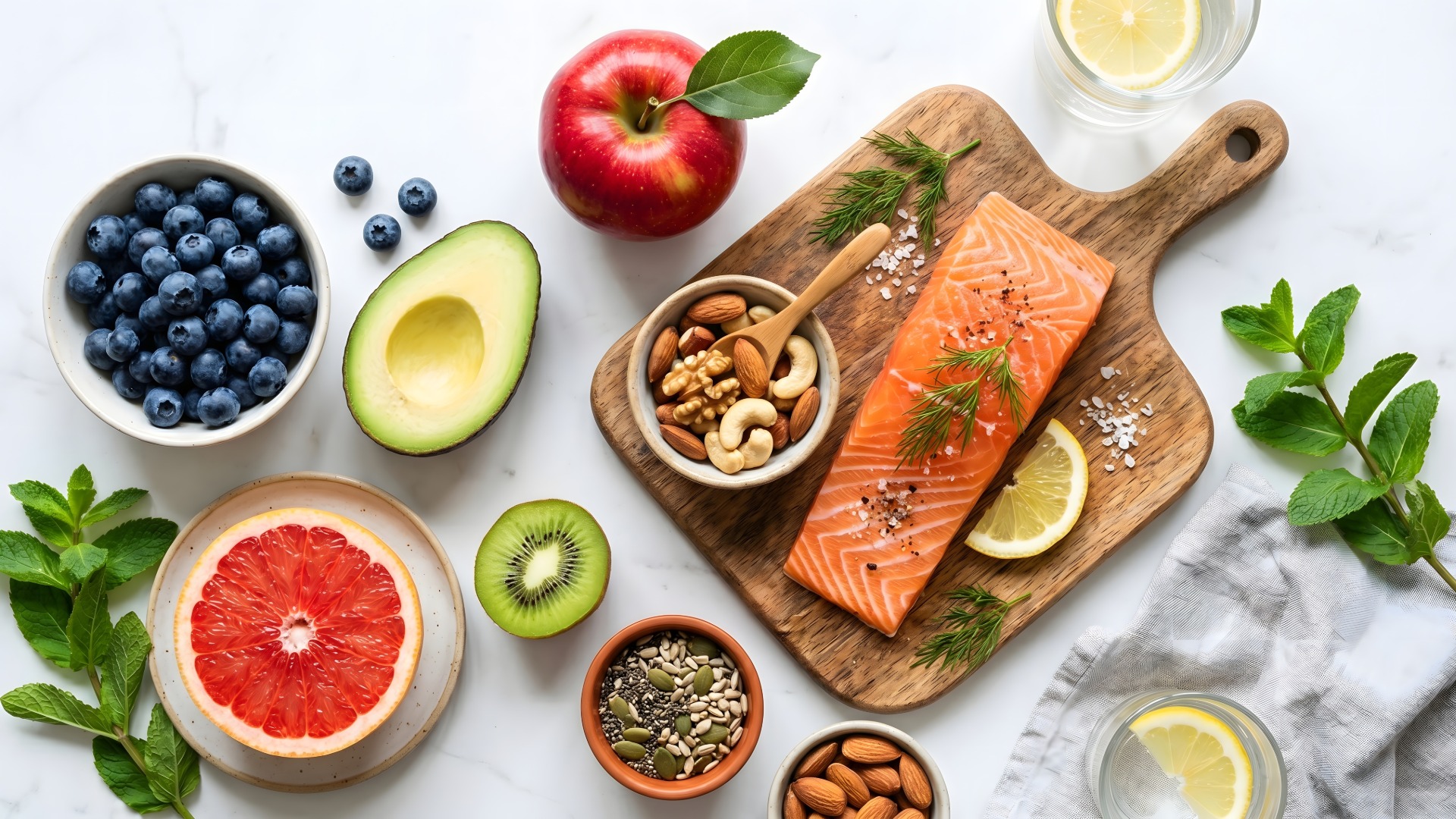
The core building blocks typically include lean meats, fish, eggs, vegetables, fruits, nuts, and seeds, with an emphasis on minimally processed versions of each. Healthy fats, olive oil, avocado, and coconut oil among the most commonly featured, play a significant role, replacing the vegetable oils and processed fats a more conventional diet might rely on more heavily.
What Traditional Paleo Excludes
Strict versions of the approach exclude grains, legumes, dairy, refined sugar, and most processed foods entirely, based on the idea that these foods became dietary staples only after the agricultural revolution rather than during the much longer hunter-gatherer period the diet is loosely modeled on. This exclusion list is the most debated and most strictly applied part of the pattern, and it is also where individual versions diverge most from one another.
Why Many Real-World Versions Are More Flexible
Modified versions of this eating pattern, including some used in actual research studies, have included limited dairy and modest amounts of legumes or grain-based foods rather than excluding them entirely, reflecting how the pattern often gets adapted in practice rather than followed with strict, textbook precision. Understanding that a real-world paleo meal plan often looks somewhat different from the strictest theoretical version helps set realistic expectations before starting.
Building a Simple Paleo Meal Plan for One Meal
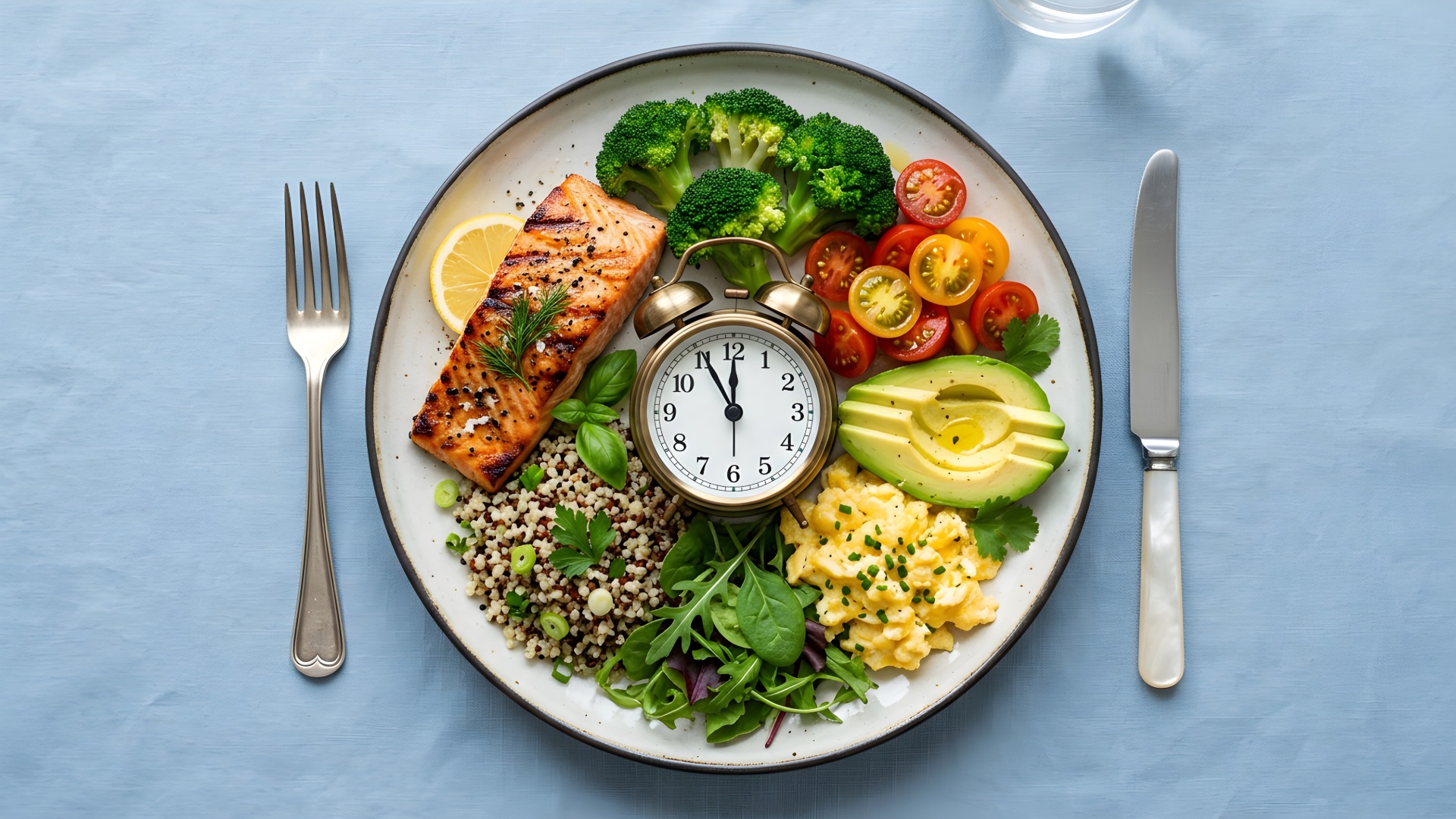
A straightforward approach: a substantial portion of protein, a generous serving of non-starchy vegetables, a modest amount of fruit or starchy vegetable for carbohydrates, and a healthy fat woven throughout, whether from cooking oil, avocado, or nuts. This structure translates easily across many different specific dishes without requiring a narrow, repetitive rotation of the same few meals.

What Research Has Found, With Appropriate Nuance
Some research has associated this eating pattern with improvements in waist circumference and blood sugar markers over the study periods measured, though the same research has also noted potential nutrient gaps, particularly around fiber and certain micronutrients, given the exclusion of grains and legumes, both of which are otherwise significant fiber sources in a typical diet. This is exactly the kind of tradeoff worth discussing with a healthcare provider or dietitian before adopting the pattern long-term, rather than assuming benefits without also weighing the potential gaps, the same careful, individualized thinking worth applying to any structured eating pattern, including intermittent fasting meals if combining approaches is something you are considering.
Protein Preparation That Fits the Pattern
Since lean protein plays such a central role, technique matters considerably for keeping meals interesting; how to peel and devein shrimp opens up quick, paleo-friendly seafood options that cook in minutes, and having that skill genuinely ready to use prevents the same few proteins from becoming the entire rotation out of sheer convenience.
Equipment That Suits This Style of Cooking
A quality knife setup matters more in a pattern built so heavily around fresh vegetable and protein prep; weighing santoku knife vs chef knife preferences is worth doing specifically with this kind of high-volume, produce-forward cooking in mind, since the right knife for your natural cutting motion speeds up exactly the kind of prep work this eating pattern demands regularly.
A paleo meal plan centers on whole, minimally processed protein, vegetables, fruit, and healthy fat, while typically excluding grains, legumes, and refined sugar, though real-world versions often flex on strict exclusions. As with any significant dietary pattern, discussing potential nutrient gaps and long-term fit with a healthcare provider or registered dietitian is worth doing before committing to it as an ongoing approach.

Benjamin Floxtriswa is Sugar Press’s Meal Planning and Weeknight Strategy Editor. He covers batch cooking, weekly menus, and smart grocery decisions, turning meal planning into a fast, practical system instead of a chore.