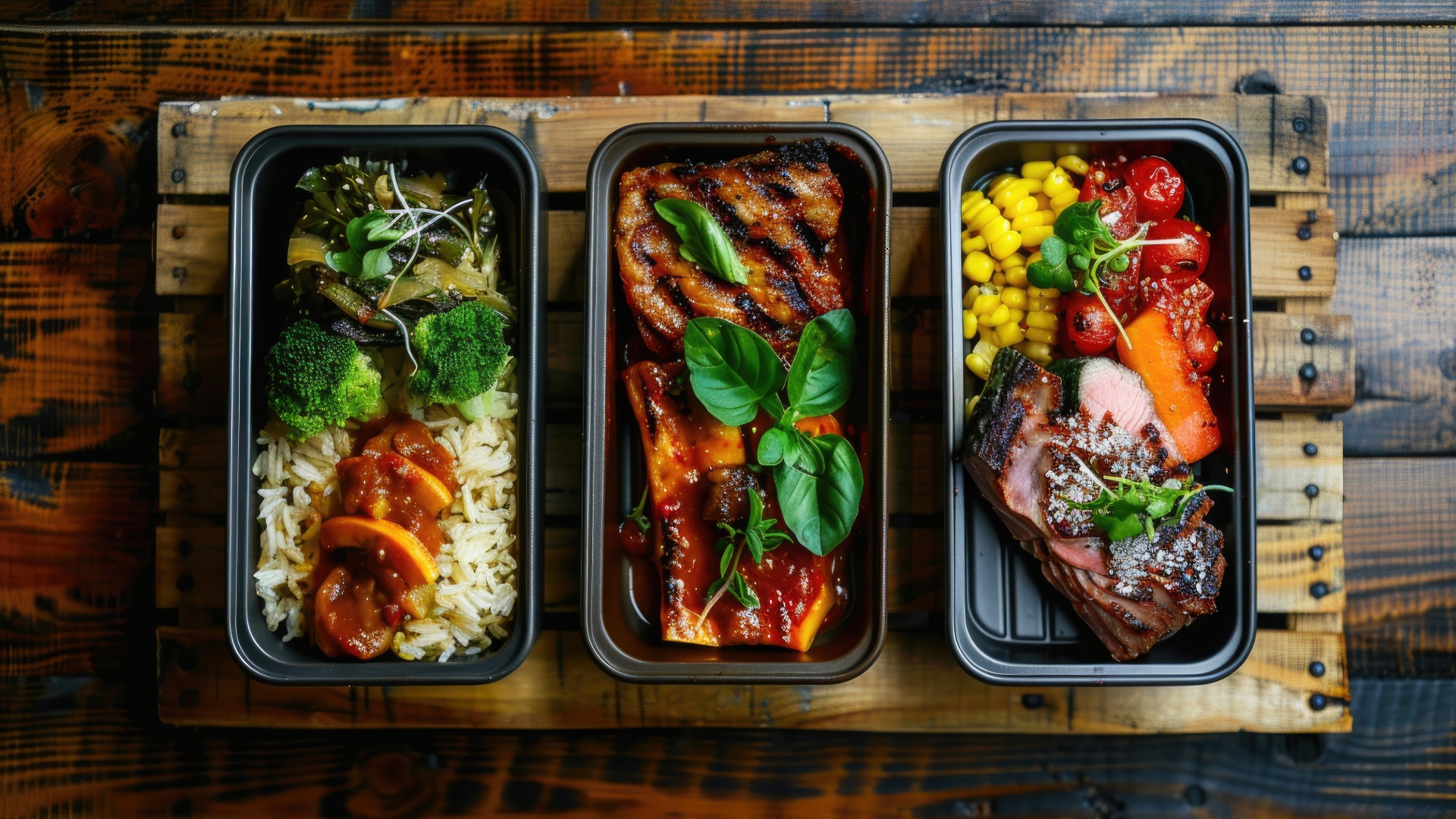
Mediterranean diet meals get discussed constantly as a single, well-defined thing, yet the Mediterranean region spans several countries with genuinely different culinary traditions, which means the "Mediterranean diet" is better understood as a general eating pattern than a rigid, single list of allowed and forbidden foods. This is general educational information about that eating pattern, not personalized medical or nutrition advice, since individual needs vary and a healthcare provider or registered dietitian is the right resource for guidance specific to your situation.
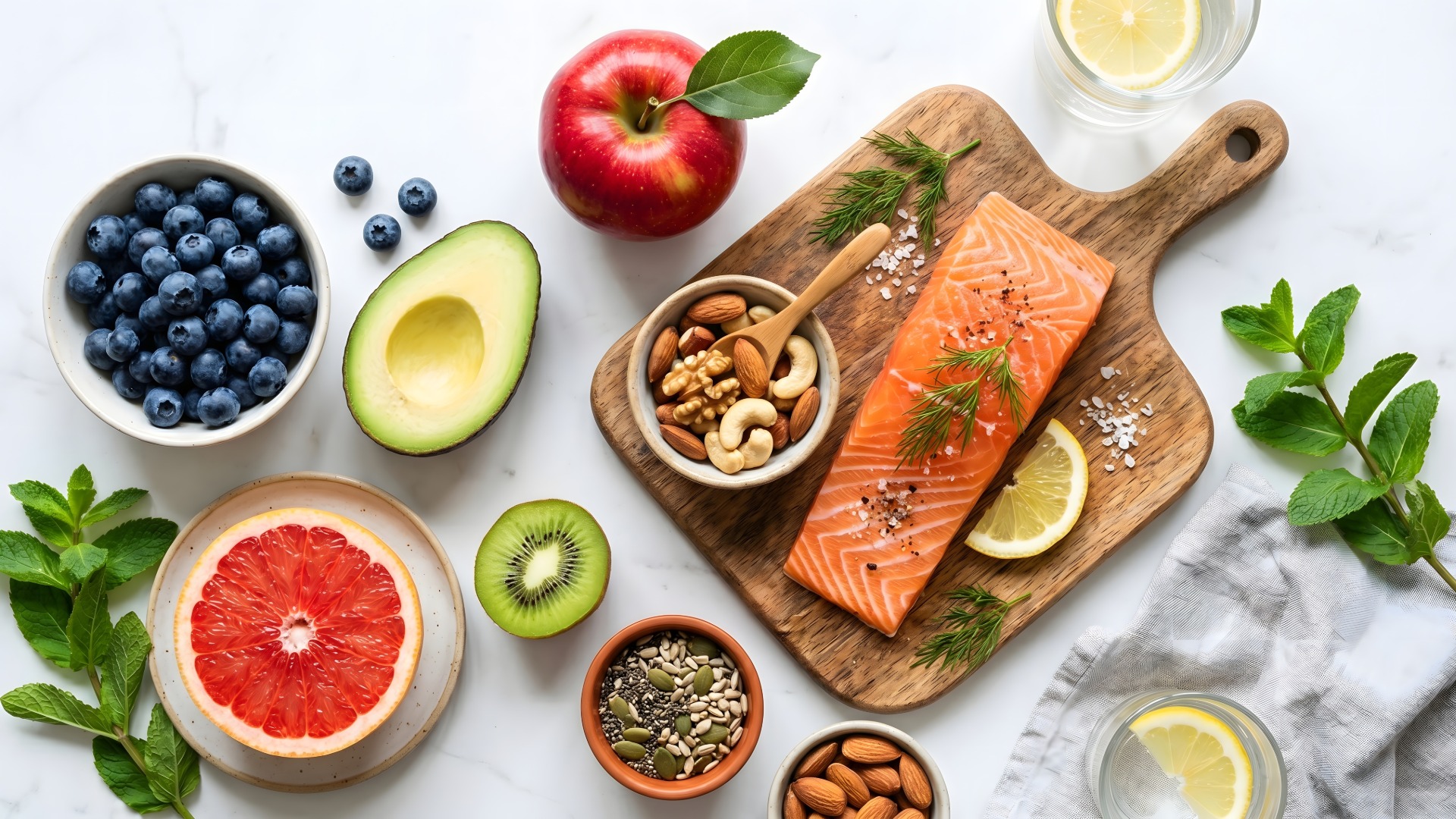
The pattern generally emphasizes fruits, vegetables, whole grains, legumes, nuts, seeds, and olive oil as the foundation of most meals, with fish and seafood featured regularly, poultry, eggs, and dairy included in moderation, and red meat and sweets reserved for less frequent, smaller portions. This is a pattern built around proportion and frequency, most plant-based and olive-oil-forward, some fish and poultry, less red meat and processed food, rather than a strict list of completely forbidden ingredients.
Mediterranean Diet Meals and the Role of Olive Oil
Olive oil serves as the primary fat source throughout the pattern, used generously in cooking, dressing, and finishing dishes, rather than butter or other fats playing the dominant role. This is one of the most consistent, defining elements across the different regional variations of Mediterranean eating, and it is part of why quality genuinely matters when choosing which olive oil to keep as a kitchen staple.
Building Simple Mediterranean Diet Meals
A straightforward approach for a single meal: a base of vegetables or legumes, a moderate portion of fish or poultry, whole grains like farro or bulgur, and a generous finish of olive oil, herbs, and perhaps some nuts or seeds for texture. This structure translates easily across countless specific dishes without requiring adherence to any single, narrow recipe list.
Research Findings Worth Knowing, With Appropriate Context
Research has associated this eating pattern with heart health and blood sugar benefits in various studies, though individual results vary considerably and no single dietary pattern works identically for everyone. Some research directly comparing this pattern against other popular approaches has found it tends to be among the easiest to sustain long-term, likely because it does not require eliminating entire food groups the way some more restrictive approaches do.
Making the Pattern Work for a Busy Week
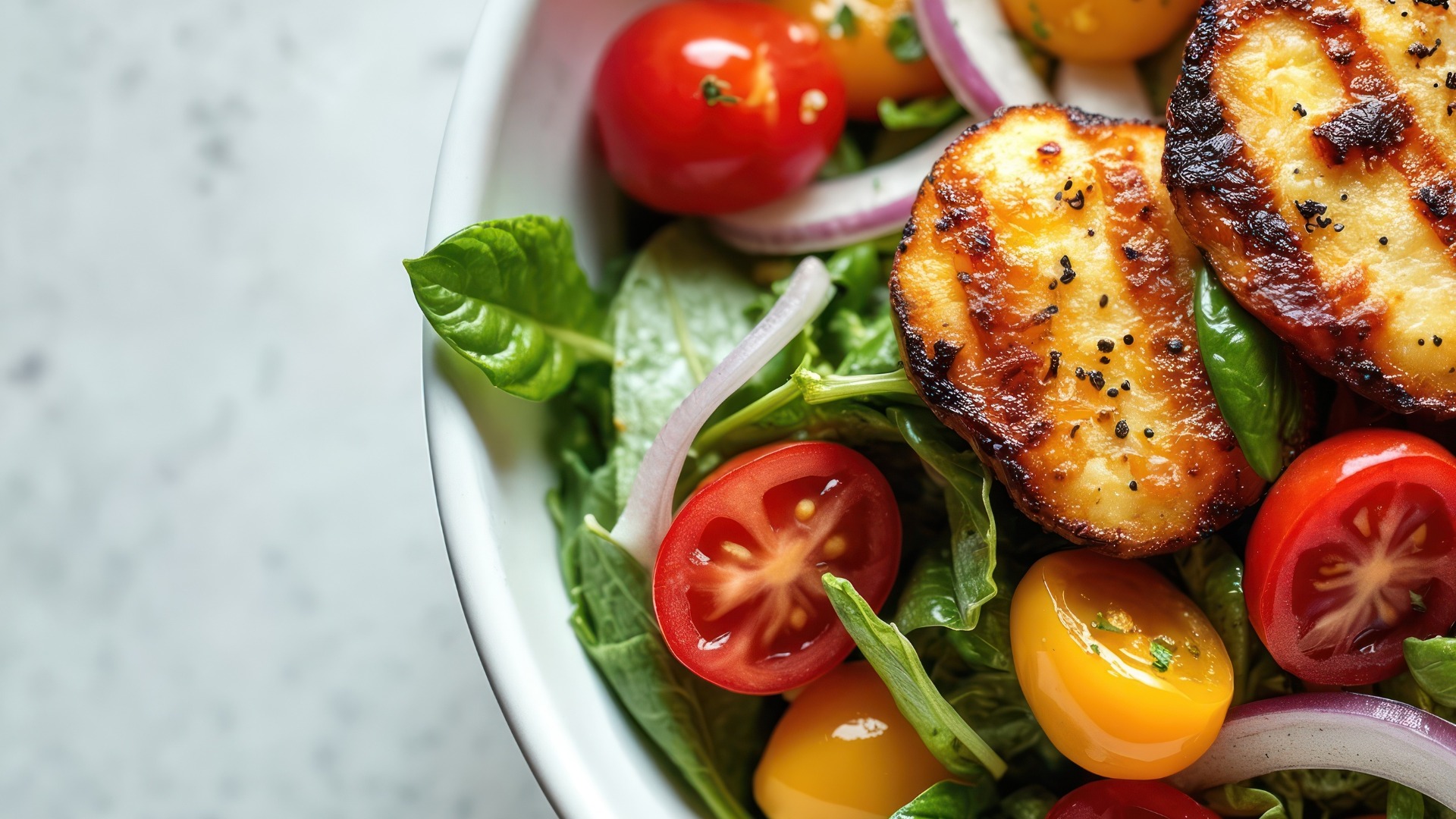
Batch-cooking components, a big pot of beans or lentils, roasted vegetables, and a simple vinaigrette, at the start of the week makes assembling Mediterranean-style meals considerably faster on busy days than starting from scratch each time. This same batch-prep efficiency matters for protein specifically too; the kind of fast, well-organized approach behind 10 minute high protein lunches for work pairs naturally with this pattern's emphasis on fish and legumes as regular protein sources.
Where Technique Still Matters
Even within a pattern this broad, cooking technique affects the final result meaningfully; properly searing steak on the less-frequent occasions red meat does appear in this pattern still benefits from the same fundamentals, high heat, a dry surface, patience, that apply to any protein prepared well. And the cookware used matters too; a non stick pan genuinely earns its place for the delicate fish preparations this pattern features regularly, where sticking is a real, frustrating risk with other cookware types.
Mediterranean diet meals are best understood as a flexible, sustainable eating pattern centered on vegetables, whole grains, legumes, olive oil, and regular fish, rather than a rigid rulebook. That flexibility is likely a real part of why the pattern shows up so consistently in research on sustainable, long-term healthy eating.

Wayan Gurtphaboo is Sugar Press’s Kitchen Equipment and Culinary Science Specialist. He compares cookware, knives, and small appliances on durability and materials science, stainless versus ceramic, santoku versus chef’s knife, so readers can buy once and buy right.