Standing between two similarly priced, similarly sized knives at a kitchen store, santoku knife vs chef knife is a genuinely common decision point, and the right answer depends more on how you naturally cut than on which knife is objectively superior.
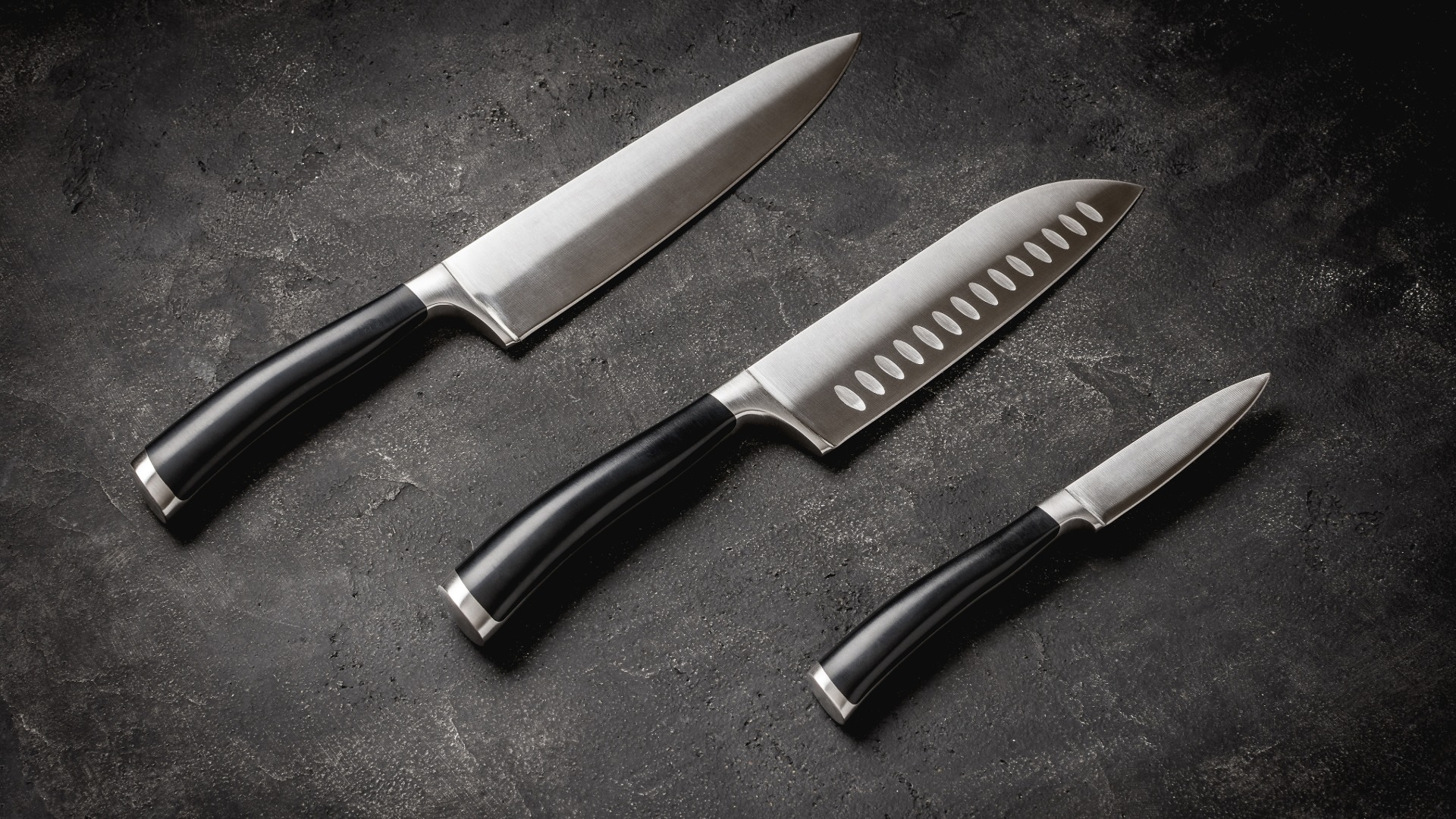
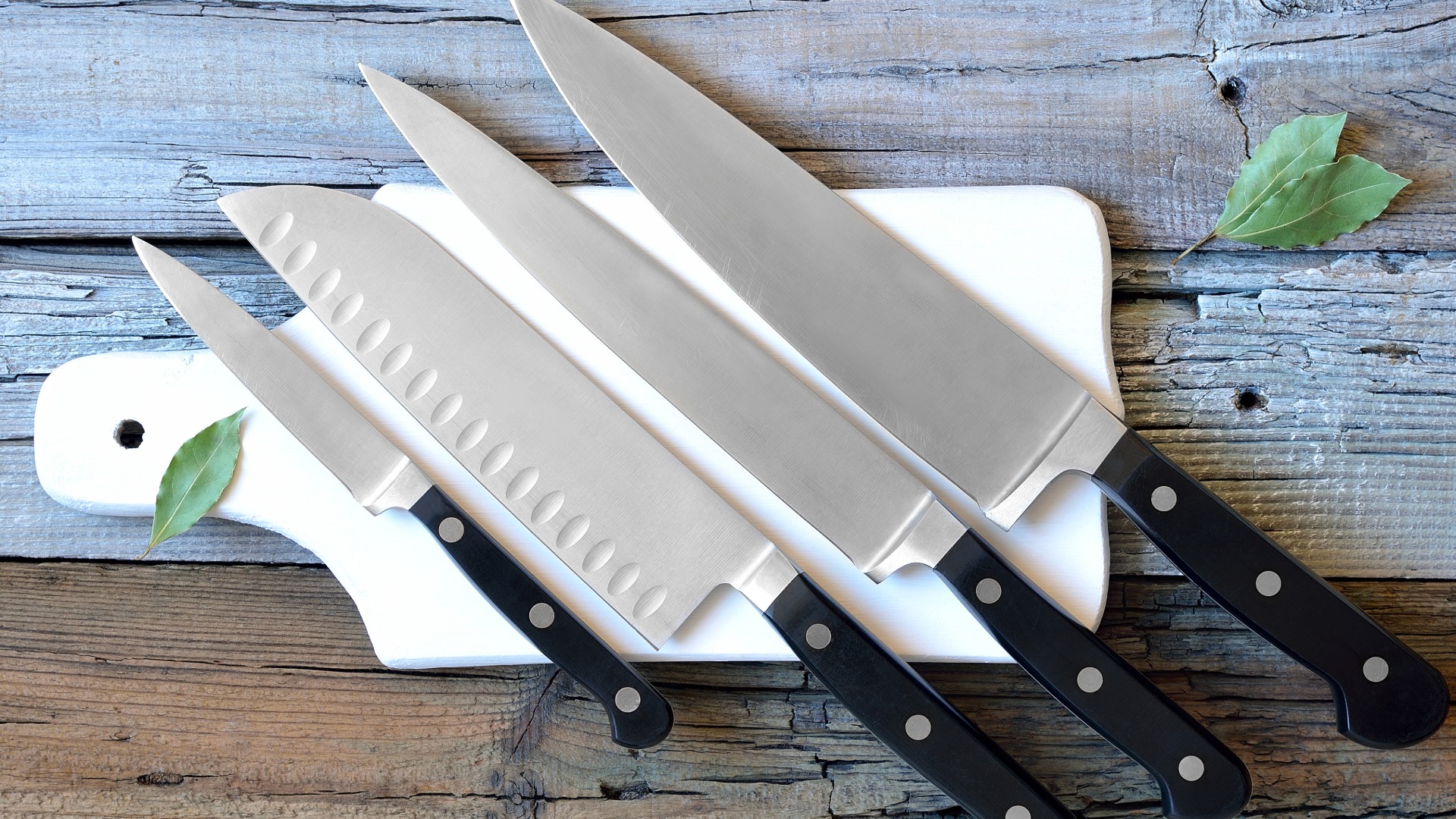
A chef's knife has a curved belly running from tip to heel, designed specifically for a rocking motion, the blade tip staying largely in contact with the cutting board while the heel lifts and falls rhythmically through each cut. A santoku has a much flatter profile with less curve, better suited to an up-and-down chopping motion rather than a rocking one, and it is typically shorter overall, commonly six to seven inches versus a chef's knife's eight or more.
Santoku Knife vs Chef Knife: Why Cutting Motion Matters
Cooks who learned on a rocking motion, common in Western culinary training, tend to naturally prefer a chef's knife's curved belly, since that shape is specifically built to support the technique they already use. Cooks more comfortable with a straight up-and-down chop, common in many Asian culinary traditions, often find a santoku's flatter blade feels more natural and controlled, since the knife's shape matches the motion rather than fighting against it.
Santoku Knife vs Chef Knife: The Granton Edge
Many santoku knives feature a Granton edge, a series of small oval indentations along the blade sides, which creates small air pockets that help food release from the blade rather than sticking to it during slicing. This feature genuinely reduces sticking on tasks like slicing potatoes or cucumbers, where a smooth-bladed knife more commonly drags thin, sticky slices along with it mid-cut.
Weight and Balance Differences
Chef's knives tend to carry a bit more weight and heft, which some cooks prefer for powering through denser vegetables or breaking down larger cuts of meat, using the knife's own weight to assist the cut rather than relying purely on arm strength. Santoku knives are generally lighter, which some cooks find less fatiguing during extended prep sessions, though it also means somewhat less natural momentum for tougher cutting tasks.
Versatility for Everyday Tasks
Both knives handle the overwhelming majority of everyday kitchen tasks capably; neither is meaningfully restricted to a narrow set of jobs the way a specialized knife like a boning knife or bread knife would be. This kind of genuine, either-choice-works verdict comes up in cookware decisions too, and weighing ceramic cookware pros and cons follows a similarly personal calculation, where the right answer depends on cooking style and priorities rather than one option being objectively correct for everyone. The real difference in practice is comfort and personal cutting style rather than genuine capability, which is exactly why trying both in person, if at all possible, matters more than reading specifications alone before deciding.
Building Broader Knife Confidence
Whichever blade shape ends up feeling more natural, the underlying fundamentals, grip, the guiding-hand claw, and uniform cutting, matter more than the specific knife; solid how to peel and devein shrimp technique, for instance, depends far more on careful, practiced knife handling than on which specific blade shape happens to be in hand at the time.
Choosing Based on What You Actually Cook Most
If your cooking leans heavily toward a specific style, the kind of ingredient-forward, minimally processed approach behind paleo meal plan cooking, with lots of vegetable and protein prep, either knife handles that workload well, though the choice between them still comes down to which cutting motion feels most natural for the volume of prep that style of eating typically requires.
Santoku knife vs chef knife is a genuine style choice rather than a clear winner-take-all decision. Chef's knives suit a rocking motion and denser cutting tasks, santoku knives suit a chopping motion and lighter, more controlled slicing, and the right choice for you comes down to which grip and motion already feel natural in your hand.

Benjamin Floxtriswa is Sugar Press’s Meal Planning and Weeknight Strategy Editor. He covers batch cooking, weekly menus, and smart grocery decisions, turning meal planning into a fast, practical system instead of a chore.