Herb infused olive oil sounds like one of the simplest kitchen projects imaginable, fresh herbs steeped in good olive oil, yet it carries a genuine food safety risk that most casual recipes online skip entirely. How to make herb infused olive oil safely means understanding exactly why fresh ingredients in oil are dangerous if handled carelessly, and following the specific steps that prevent that risk.
Fresh herbs, garlic, and other low-acid ingredients can carry Clostridium botulinum spores, and oil creates a low-oxygen environment these spores can thrive in, particularly at room temperature. This is not a theoretical concern, it is the same well-documented mechanism behind other home food preservation risks, and unlike ordinary spoilage, botulism toxin has no taste, smell, or visible warning sign, which is exactly why the safety steps matter regardless of how fresh or clean the ingredients look going in.
How to Make Herb Infused Olive Oil: Two Safe Approaches
Refrigerate and use quickly. Fresh herbs infused directly into oil without any acidification must be refrigerated immediately and used within two to four days, discarded entirely if left at room temperature for more than about two hours. This is the simplest approach for small batches meant to be used right away.
Acidify for longer storage. University extension research has developed a tested method using a citric acid or vinegar soak to properly acidify fresh herbs and garlic before infusing, which prevents C. botulinum growth even at room temperature. This process requires specific ratios and soak times developed through actual testing, not a casual splash of vinegar, so following a validated extension-published method exactly, rather than an informal recipe found online, matters here more than in almost any other kitchen project.
How to Make Herb Infused Olive Oil the Safest Way
Dried herbs and garlic contain essentially no water, which means C. botulinum has no environment to grow in regardless of storage temperature, making dried-ingredient infusions the lowest-risk approach available to a home cook. If long-term, room-temperature storage is the goal, starting with fully dried ingredients rather than fresh ones removes the primary risk factor entirely, rather than managing it through refrigeration or acidification.
How to Make Herb Infused Olive Oil: Step by Step
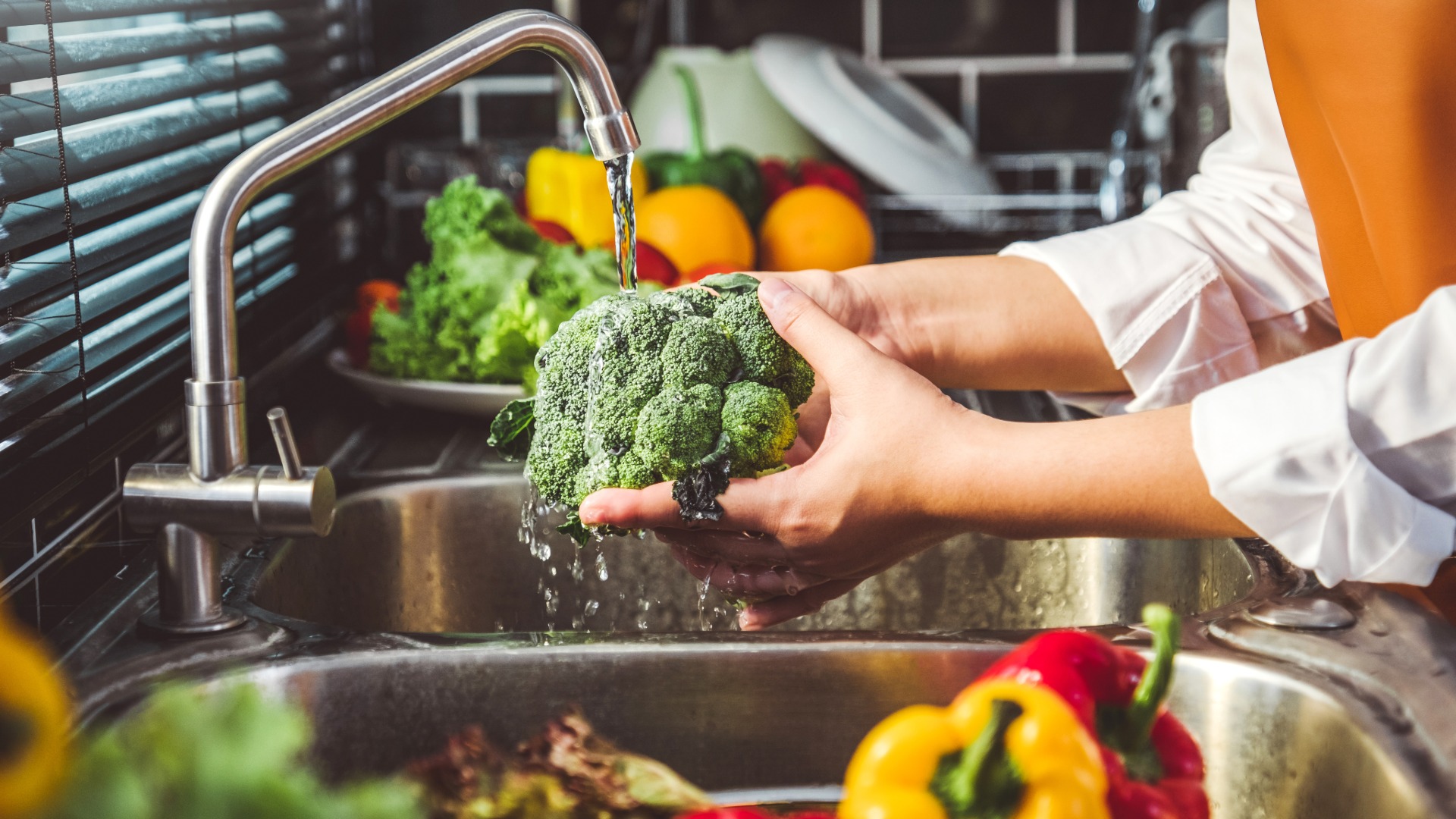
Sterilize your container by boiling it for at least ten minutes, since a contaminated container undermines every other precaution taken afterward. Wash and thoroughly dry fresh herbs, since residual water encourages exactly the kind of bacterial growth the process is designed to prevent. Submerge the dried herbs fully in oil, seal, and refrigerate immediately, labeling the container clearly with the date it was made. Use within two to four days, and never leave the finished oil sitting at room temperature for any extended period.
Warning Signs and What to Do If Unsure
Because botulism toxin is undetectable by taste or smell, the only reliable safety measure is following the process correctly from the start, not inspecting the finished product for warning signs, since none reliably exist. If you are ever unsure whether a batch was made and stored correctly, discarding it is the only genuinely safe choice; the risk of a serious illness far outweighs the cost of the ingredients involved.
Using Your Infused Oil Once It Is Made
A properly made and safely stored infused oil is a genuinely versatile ingredient, excellent finished drizzled over a simple dish, worked into a vinaigrette, or used to add depth to a pan sauce. It pairs particularly well with the kind of low, patient cooking behind braising, where a finishing drizzle of infused oil adds a bright, aromatic contrast to a rich, slow-cooked dish. And the same careful, ingredient-quality mindset that makes a good infused oil worthwhile extends naturally to gear too; kitchen shears built for genuine precision make quick work of trimming and prepping the fresh herbs that go into a batch in the first place.
Building the Habit of Reading the Safety Steps First
This same discipline, reading and following a tested safety process rather than assuming a casual approach will work out fine, applies to plenty of other home food projects too, and it is worth carrying into lighter, everyday cooking as well; a simple cucumber tomato salad carries none of the same risk, but building the habit of understanding why a specific technique exists, not just following steps mechanically, makes every recipe turn out better and safer over time.
How to make herb infused olive oil safely comes down to one central rule: fresh, low-acid ingredients in oil require refrigeration and a short use window, proper acidification following a tested method, or starting with dried ingredients instead. Skipping these steps in pursuit of a prettier, longer-lasting bottle is not worth the genuine risk involved.

Benjamin Floxtriswa is Sugar Press’s Meal Planning and Weeknight Strategy Editor. He covers batch cooking, weekly menus, and smart grocery decisions, turning meal planning into a fast, practical system instead of a chore.